
Web3 and Community Development: Unlocking New Funding Avenues


Understanding Web3 and Its Impact on Community Development
Web3, often referred to as the decentralized web, represents a significant shift in how we interact with the internet. It leverages blockchain technology to create a more secure, transparent, and user-centric online experience. This transformation is not just limited to enhancing digital interactions but also opens new avenues for community development and funding.
Communities that traditionally relied on centralized entities for financial support now have the opportunity to tap into a decentralized ecosystem. Web3 facilitates the creation of decentralized autonomous organizations (DAOs), which empower communities to manage resources collectively and transparently.

The Role of DAOs in Community Funding
DAOs are a cornerstone of Web3's potential to revolutionize community funding. These organizations operate without central leadership, allowing members to propose and vote on initiatives collectively. This democratic approach ensures that resources are allocated based on the community's needs and priorities.
Furthermore, DAOs can attract funding through token sales, where community members purchase tokens that grant them voting rights and a stake in the organization's success. This model not only democratizes decision-making but also aligns incentives among stakeholders, fostering a sense of ownership and responsibility.

Tokenization: A New Frontier for Community Investments
Tokenization is another innovative aspect of Web3 that is reshaping community development. By converting assets into digital tokens on the blockchain, communities can create new forms of investment. These tokens can represent a wide range of assets, from real estate to intellectual property, providing communities with diverse funding options.
This approach enables micro-investments, allowing individuals to contribute small amounts of capital to community projects, thereby broadening participation and democratizing investment opportunities. Moreover, tokenization facilitates liquidity, as tokens can be easily traded on decentralized exchanges, offering investors flexibility and accessibility.

Leveraging NFTs for Community Initiatives
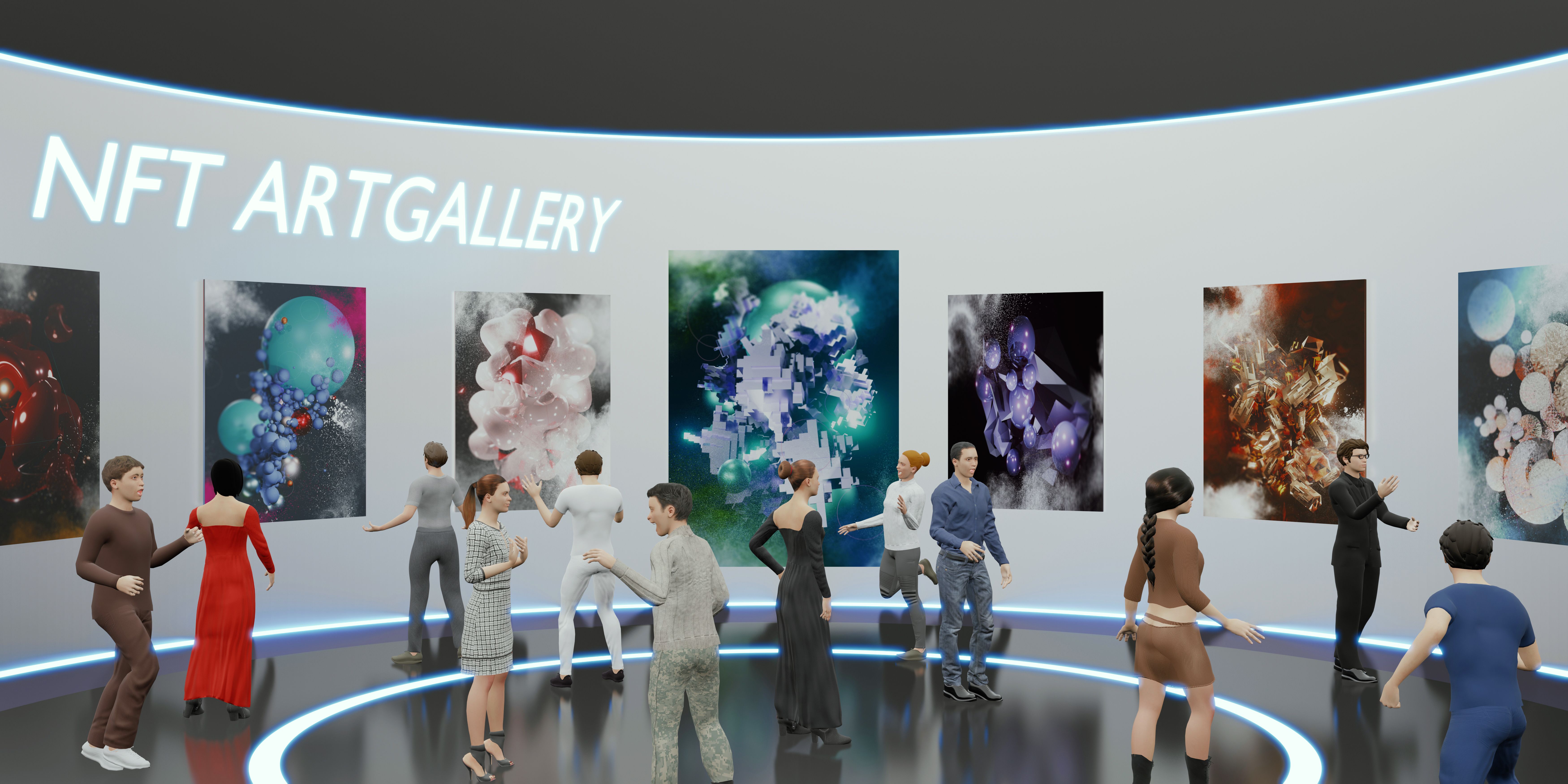
Non-fungible tokens (NFTs) have gained significant attention for their potential to revolutionize digital ownership. In community development, NFTs can be used to fundraise by selling unique digital assets that represent membership or access to exclusive content and experiences.
Communities can create NFTs that offer value beyond mere collectibles, such as granting holders voting rights or benefits within the community. This creates a vibrant ecosystem where members are incentivized to engage and contribute actively.
Challenges and Opportunities in Web3 Community Funding
While Web3 offers exciting prospects for community funding, it also presents challenges. Regulatory uncertainties and technological complexities can hinder adoption. Communities need to navigate these challenges by ensuring compliance and educating members about the intricacies of blockchain technology.
Despite these hurdles, the opportunities outweigh the challenges. As more communities adopt Web3 technologies, they will benefit from increased transparency, efficiency, and inclusivity. By embracing this decentralized paradigm, communities can unlock new funding avenues that were previously inaccessible.
The Future of Web3 in Community Development
The integration of Web3 in community development is still in its early stages, but its potential is vast. As technology evolves, it will become increasingly accessible, allowing more communities to harness its power for growth and sustainability.
Ultimately, Web3 offers a unique opportunity to redefine how communities organize, fund themselves, and thrive. By embracing this new digital frontier, communities can build resilient ecosystems that prioritize collaboration, transparency, and shared prosperity.