
The Role of Storytelling in Design: Creating Spaces that Speak


Storytelling is an ancient art that has transcended generations, cultures, and mediums. In the realm of design, storytelling plays a pivotal role in creating spaces that not only captivate but also communicate. Through the careful integration of narrative elements, designers can transform environments into immersive experiences that speak to the soul.
At its core, storytelling in design is about conveying a message. Whether it’s a cozy café or a modern corporate office, every space has a story to tell. This narrative is woven through the choice of colors, textures, and layout that together create an atmosphere that resonates with its intended audience.

Understanding the Elements of Storytelling in Design
To effectively incorporate storytelling into design, one must first understand its fundamental elements. These include characters, setting, plot, conflict, and resolution. In a spatial context, these elements translate to the people who use the space, the environment itself, the purpose of the space, challenges it may face, and the ultimate experience it aims to deliver.
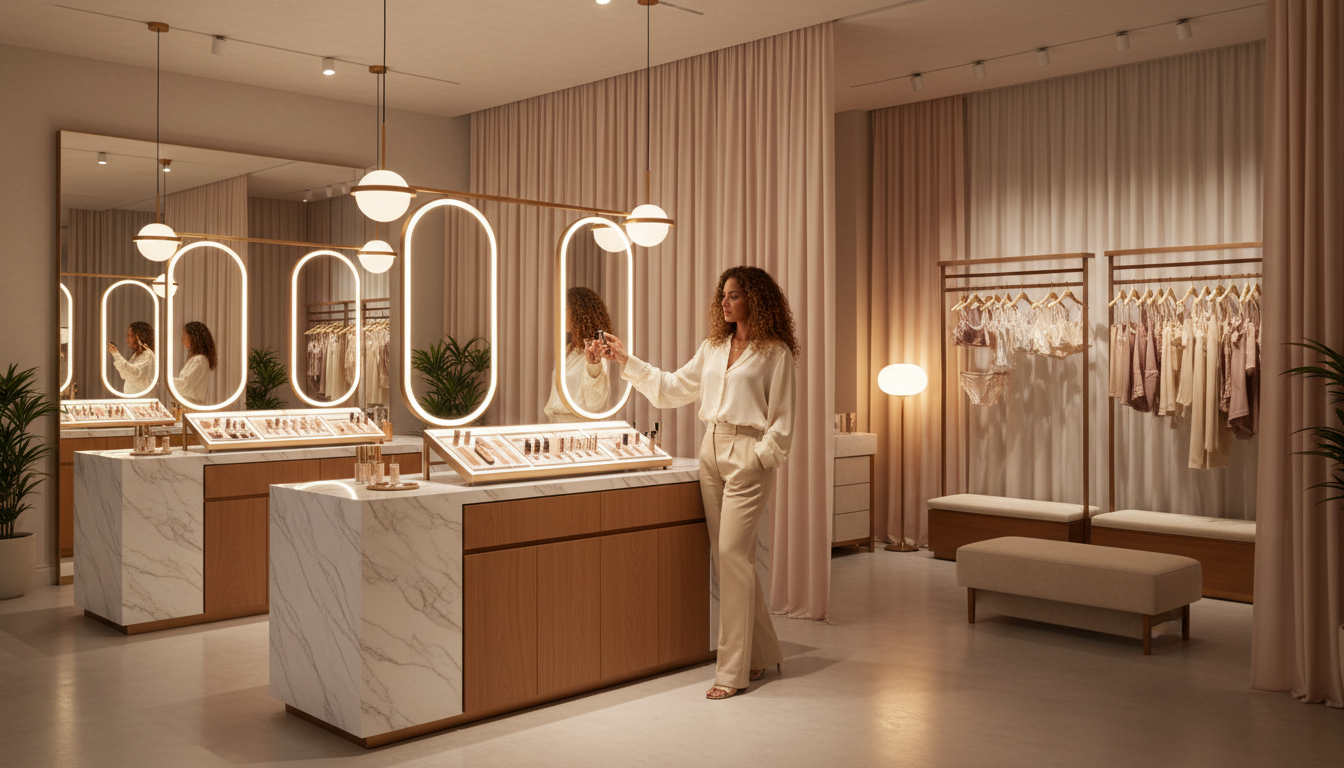
For instance, a retail store might use storytelling to create an emotional connection with its customers. By understanding their needs and preferences, designers can craft a space that feels personalized and engaging. This approach not only enhances the shopping experience but also fosters brand loyalty.
The Power of Visual Narratives
Visual storytelling is a powerful tool in design. It involves using imagery, symbols, and motifs to convey a narrative without words. This can be achieved through strategic placement of art, sculptures, or even the architectural elements of a space. Each visual component serves as a chapter in the story, guiding visitors through a journey that unfolds with every step.
Consider a boutique hotel that draws inspiration from its historical surroundings. By incorporating local artwork, period furniture, and architectural details reminiscent of the past, the hotel tells the story of its location. This narrative not only enhances the guest experience but also connects them to the community.

Emotional Engagement through Design
Storytelling in design goes beyond aesthetics; it’s about creating an emotional connection. This is achieved by tapping into the senses and evoking feelings that resonate with the audience. A well-designed space can elicit emotions such as nostalgia, excitement, or tranquility, depending on the intended experience.
For example, a wellness center might use soft lighting, natural materials, and soothing colors to create a calming atmosphere. This design narrative encourages relaxation and rejuvenation, aligning perfectly with the center’s mission to promote well-being.
Designing with Purpose
Ultimately, the role of storytelling in design is to create spaces with purpose. Every element should contribute to the overarching narrative, ensuring a cohesive and meaningful experience. This requires a deep understanding of the space’s function, the people who will use it, and the message it intends to communicate.
By embracing storytelling, designers can craft environments that not only meet functional needs but also inspire and engage. Whether it’s through clever design choices or thoughtful narratives, storytelling transforms spaces into places that truly speak.