
The Role of Intentional Design in Cultural Programming


Understanding Intentional Design
Intentional design in cultural programming is about purposefully crafting experiences that resonate with diverse audiences. It involves considering the unique cultural, social, and historical contexts of a community, ensuring that programs are both inclusive and impactful. By focusing on intentionality, organizers can create meaningful experiences that foster understanding and connection.
Intentional design requires a deep understanding of the audience's needs and preferences. This approach not only enhances the relevance of cultural programs but also ensures that they are accessible and engaging for all participants. By prioritizing intentionality, cultural initiatives can break down barriers and promote inclusivity.

The Importance of Audience Engagement
Engagement is a critical component of cultural programming. By incorporating intentional design, organizers can create interactive and immersive experiences that captivate audiences. This requires thoughtful planning and a focus on elements that encourage participation and dialogue.
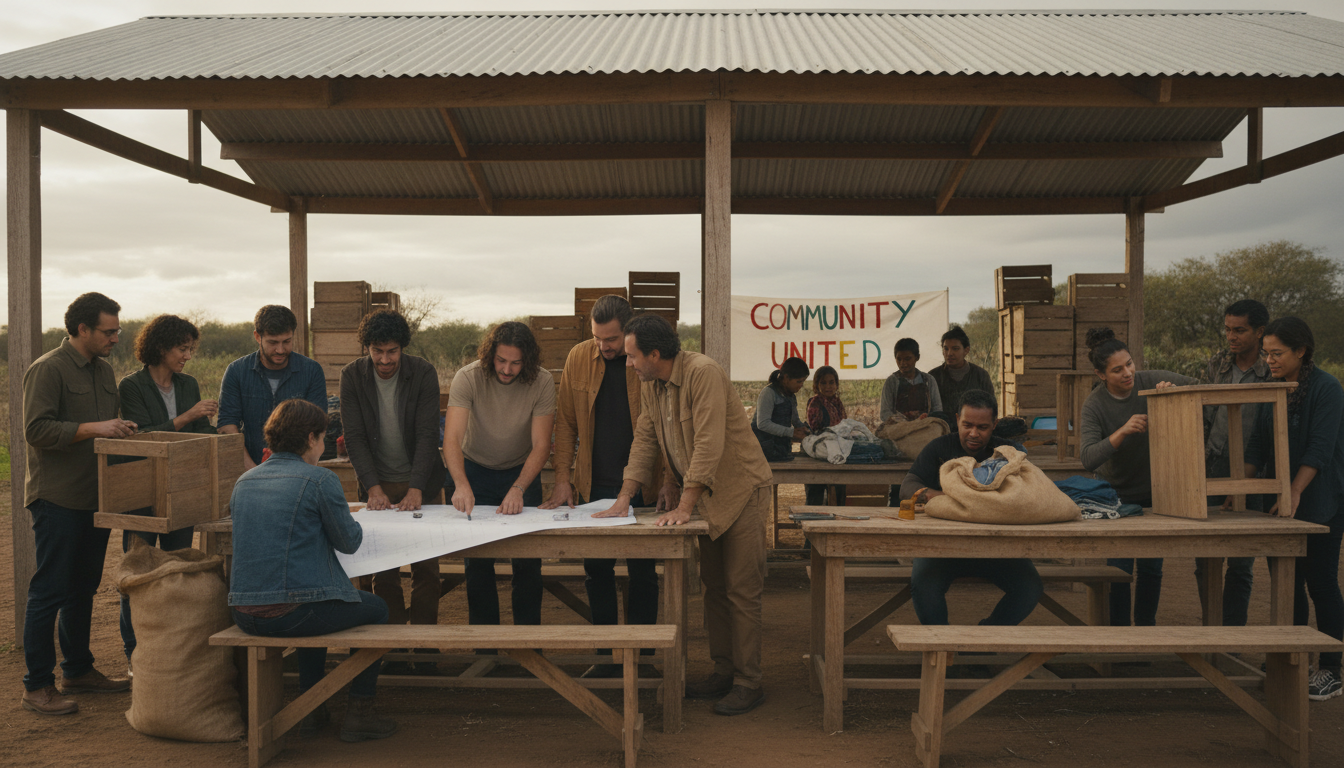
One effective strategy is to involve the community in the design process. By gathering input from diverse stakeholders, organizers can tailor programs to reflect the interests and values of the audience. This collaborative approach not only enhances engagement but also fosters a sense of ownership and pride among participants.
Incorporating Cultural Contexts
Understanding and respecting cultural contexts is essential for intentional design. This involves acknowledging the unique traditions, beliefs, and histories of different communities. By doing so, cultural programs can celebrate diversity while promoting mutual respect and understanding.
Organizers should consider the cultural significance of various elements, such as language, symbols, and rituals. By integrating these aspects into the design, programs can create authentic and meaningful experiences that resonate with participants.

Designing for Accessibility and Inclusivity
Accessibility and inclusivity are fundamental to intentional design. Ensuring that cultural programs are accessible to individuals of all abilities and backgrounds is crucial for fostering an inclusive environment. This involves considering physical, cognitive, and emotional accessibility in the planning process.
Organizers can implement various strategies to enhance accessibility, such as providing multilingual materials, offering sign language interpretation, and ensuring physical spaces are navigable for individuals with disabilities. By prioritizing these elements, cultural programs can become more welcoming and inclusive for everyone.

Measuring Impact and Success
To gauge the effectiveness of intentional design in cultural programming, it's important to measure impact and success. This involves collecting feedback from participants and evaluating whether the program met its objectives. By analyzing this data, organizers can refine their approaches and continuously improve their offerings.
Success can be measured in various ways, such as increased attendance, positive feedback, and enhanced community engagement. By focusing on these metrics, cultural programs can demonstrate their value and secure ongoing support from stakeholders and participants.