
The Role of Craftsmanship in Modern Property Development


The Importance of Craftsmanship in Property Development
In the fast-paced world of modern property development, the role of craftsmanship remains crucial. While technology and innovation drive efficiency, the artistry and skill of craftsmanship ensure that each project stands out with quality and uniqueness. This balance between innovation and tradition can define the success of a development.
Quality and Durability
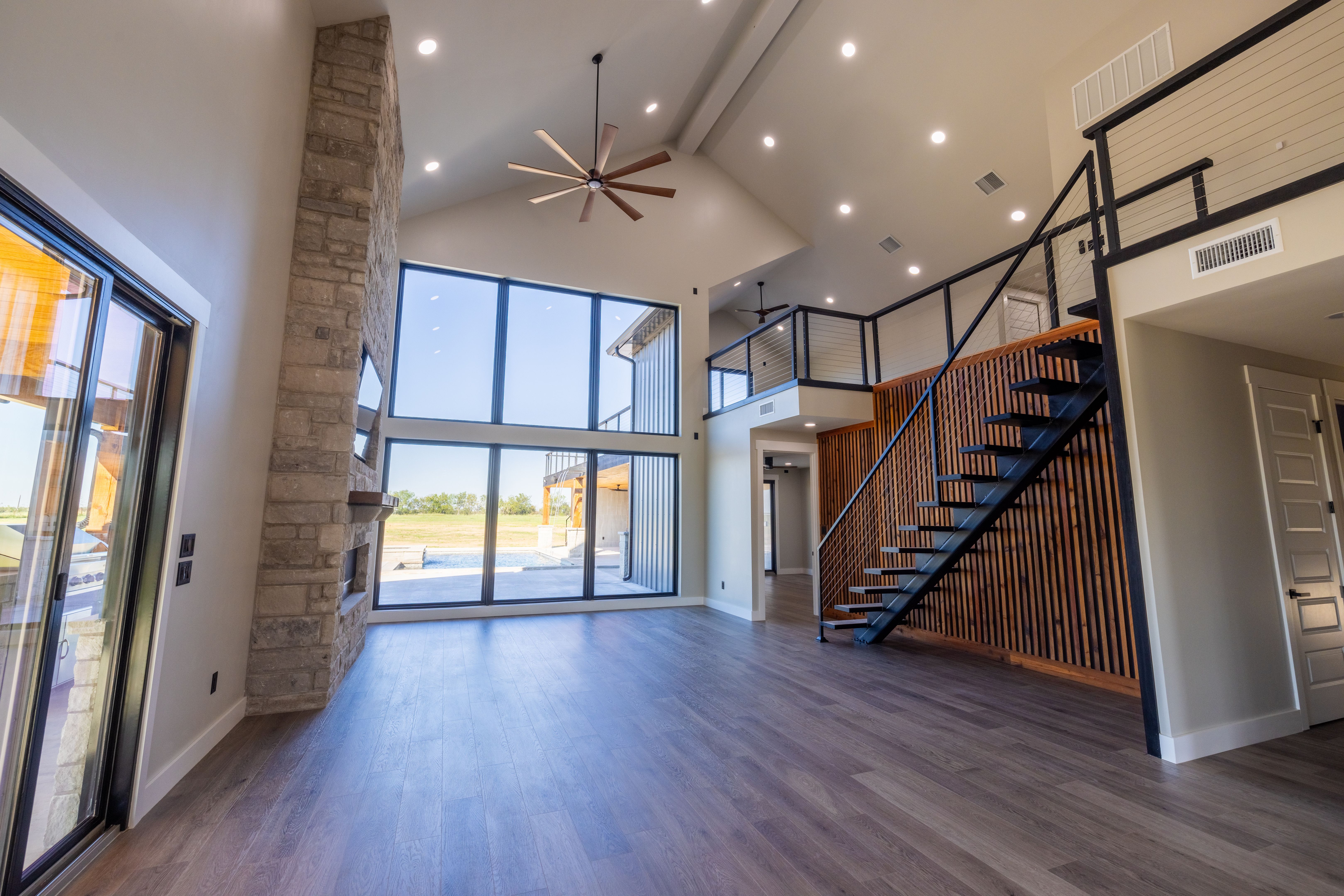
Craftsmanship brings a level of quality and durability that mass production often lacks. Handcrafted elements, whether in woodwork or masonry, ensure that each piece is made with care and precision. This meticulous attention to detail results in structures that not only look appealing but also withstand the test of time.
Developers who prioritize craftsmanship often find that their properties maintain value better over the years. The durability of well-crafted features means fewer repairs and replacements, offering long-term savings and satisfaction to property owners.
Customization and Aesthetic Appeal
Craftsmanship allows for a high degree of customization, enabling developers to create unique spaces that reflect the personality and needs of their clients. Custom elements can transform a property from ordinary to extraordinary, adding a personal touch that mass-produced components cannot replicate.

Whether it’s bespoke cabinetry, intricate tile work, or custom lighting fixtures, these elements contribute to the overall aesthetic appeal of a property. They create an inviting atmosphere that resonates with potential buyers and tenants, enhancing the desirability of the development.
Preserving Cultural Heritage
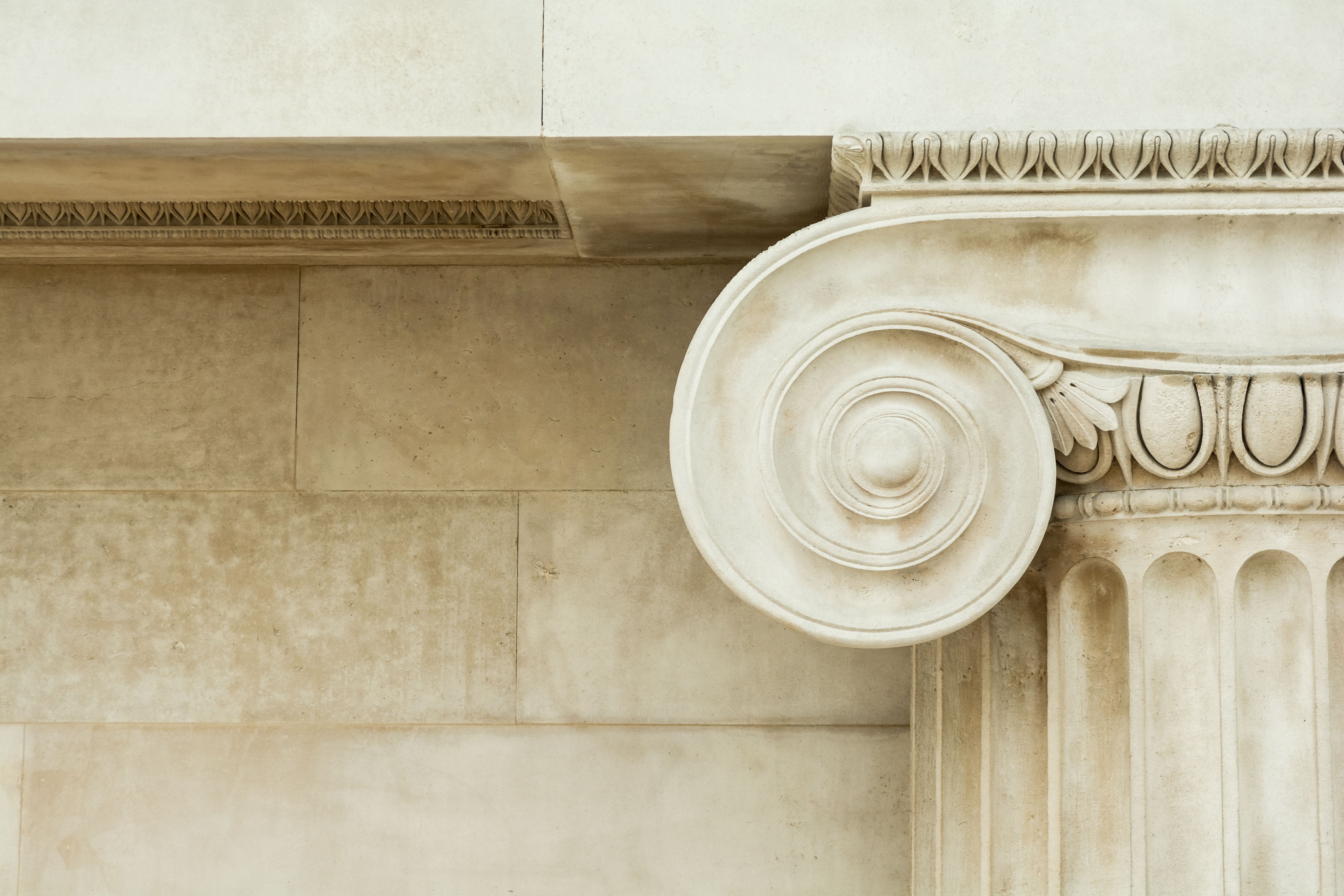
Incorporating craftsmanship into modern developments can also help preserve cultural heritage. By using traditional techniques and materials, developers can honor the architectural history of a region while integrating contemporary design elements. This blend of old and new creates a sense of continuity and respect for the past.
Preservation of cultural heritage is not just about aesthetics; it also involves sustaining the skills and knowledge of artisans. Supporting local craftsmen contributes to the economy and keeps valuable traditions alive for future generations.
Sustainability and Environmental Benefits
Craftsmanship often aligns with sustainable building practices. Artisans typically use materials more efficiently and prioritize quality over quantity, reducing waste. Moreover, handcrafted items are often made from locally sourced materials, minimizing the carbon footprint associated with transportation.
Developers focused on sustainability can benefit from the environmental advantages of craftsmanship. Well-crafted properties often exceed standard building codes, contributing to energy efficiency and a reduced environmental impact.
Conclusion: Craftsmanship in the Future of Development
As the property development industry continues to evolve, the role of craftsmanship remains vital. It offers a path to creating high-quality, sustainable, and aesthetically pleasing spaces that honor both tradition and innovation. Embracing craftsmanship not only enhances the value of developments but also enriches the lives of those who inhabit them.