
The Impact of Warm Tones and Natural Textures on Well-Being


In today's fast-paced world, creating a soothing environment has become a priority for many. One way to achieve this is by incorporating warm tones and natural textures into our living and working spaces. These elements not only enhance the aesthetic appeal but also have a profound impact on our well-being.
Warm tones, such as earthy browns, soft yellows, and gentle oranges, evoke feelings of comfort and relaxation. These colors mimic the hues found in nature, creating a serene atmosphere that promotes calmness and reduces stress. When used in interior design, warm tones can transform a room into a welcoming sanctuary.
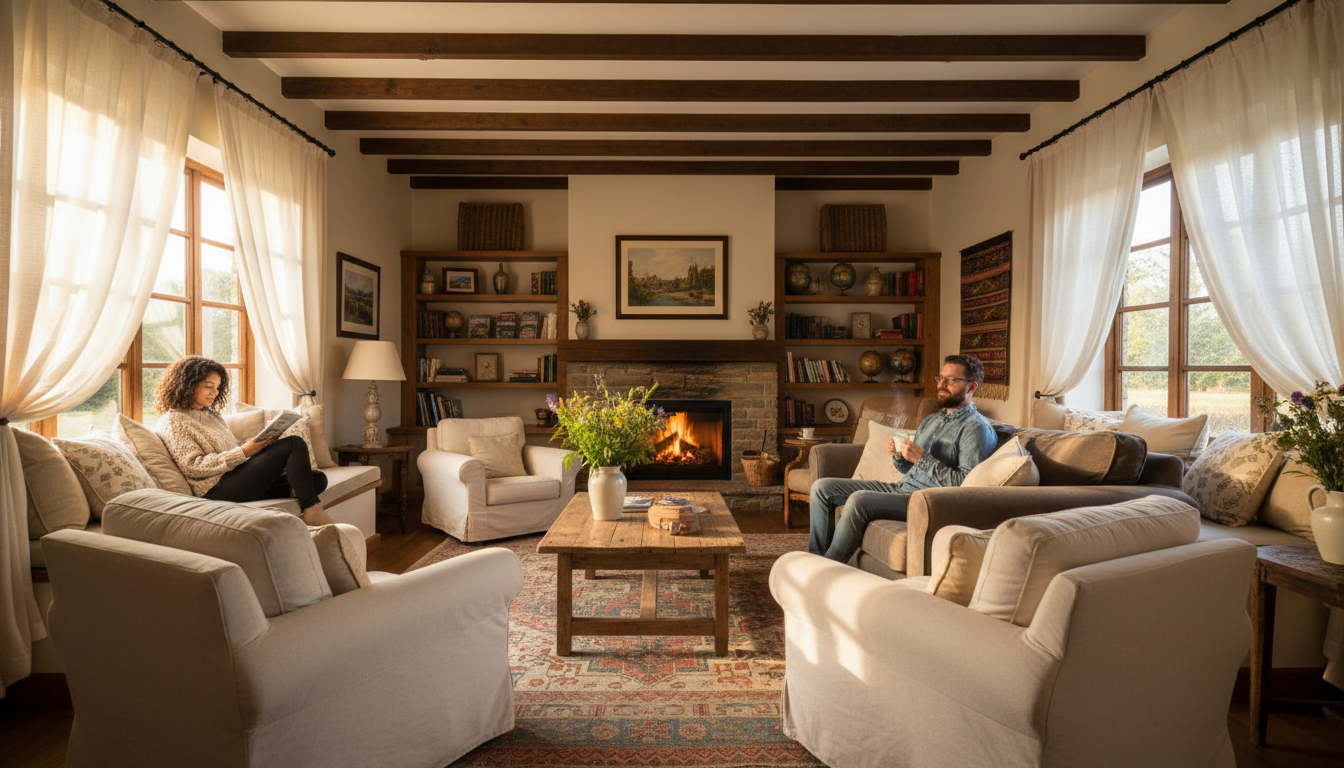
The Psychological Benefits of Warm Tones
Color psychology suggests that warm tones can have a significant impact on our emotions. They are known to increase feelings of warmth and coziness, making spaces feel more inviting. This is particularly beneficial in areas where relaxation is essential, such as living rooms and bedrooms.
Beyond comfort, warm tones can also stimulate creativity and enhance focus. This makes them ideal for workspaces or creative studios. By fostering a positive and inspiring environment, these colors can boost productivity and motivation.
The Role of Natural Textures
Natural textures, such as wood, stone, and woven fabrics, bring an element of the outdoors inside. These textures add depth and character to a space while maintaining a connection to nature. The tactile quality of natural materials can evoke a sense of grounding and stability.

Incorporating natural textures into your decor can also enhance the sensory experience. Touching a rough wooden surface or a soft woven rug can bring a sense of comfort and satisfaction. This sensory engagement can lead to increased mindfulness and presence in the moment.
Combining Warm Tones and Natural Textures
When warm tones and natural textures are combined, they create a harmonious balance that enhances the overall ambiance of a space. This combination can be achieved through various design elements such as furniture, textiles, and decorative accents.
- Use wooden furniture with rich, earthy finishes.
- Incorporate soft textiles like wool or linen in warm shades.
- Add natural elements like plants or stone decor pieces.
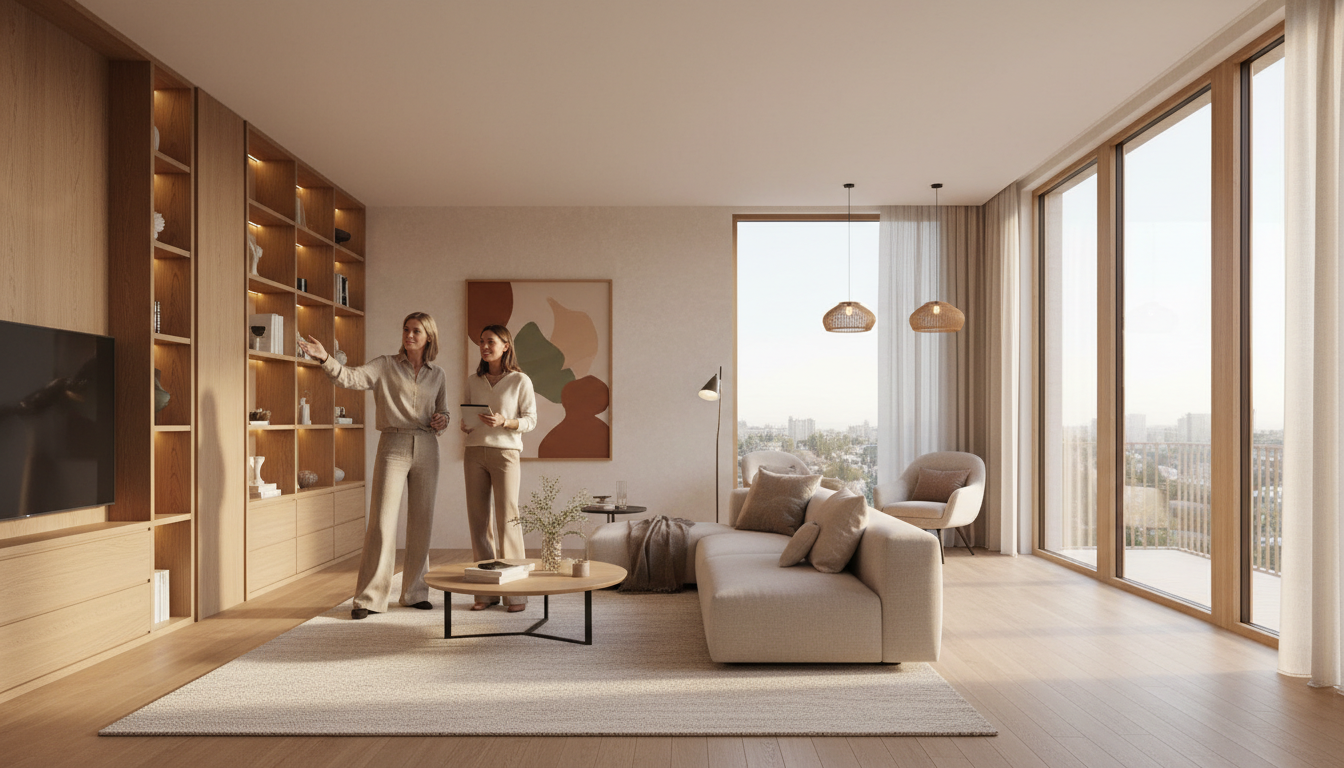
Practical Tips for Implementation
If you're looking to incorporate these elements into your home or office, start small. Consider adding a few warm-toned cushions or a textured throw to your existing decor. Experiment with different combinations to find what resonates best with your personal style.
For a more integrated approach, consider repainting walls in warm colors or investing in natural texture-rich furniture pieces. These changes can have a lasting impact on the ambiance and well-being of your space.
Ultimately, the key is to create an environment that feels both aesthetically pleasing and emotionally supportive. By thoughtfully incorporating warm tones and natural textures, you can design a space that nurtures your well-being and enhances your daily life.