
The Future of Community Development: Integrating Digital Assets


The Evolution of Community Development
Community development has always been about bringing people together to solve common problems and improve the quality of life. However, with the advent of digital technology, the tools and strategies for community development are evolving rapidly. Digital assets are playing an increasingly pivotal role, transforming how communities interact, grow, and thrive.
Traditionally, community development relied heavily on physical infrastructure and face-to-face interactions. Today, digital platforms, social media, and other online tools are enabling new forms of engagement and collaboration. This shift is opening up unprecedented opportunities for communities to connect and innovate.

The Role of Digital Assets
Digital assets, such as websites, social media profiles, and online resources, are becoming essential components of modern community development initiatives. These tools not only enhance communication but also provide access to a wider audience and a plethora of resources that were previously unavailable.
One significant advantage of integrating digital assets is the ability to collect and analyze data. By leveraging data analytics, communities can better understand the needs and preferences of their members, allowing for more targeted and effective development strategies.
Empowering Local Economies
One of the most exciting aspects of integrating digital assets in community development is the potential to empower local economies. Through e-commerce platforms and digital marketplaces, small businesses can reach customers far beyond their immediate geographic area. This not only boosts local economic growth but also fosters a sense of entrepreneurship and innovation within the community.

Fostering Greater Participation
Another significant benefit of digital assets is their ability to foster greater participation among community members. Online forums, social media groups, and virtual town halls allow individuals to engage with community leaders and participate in decision-making processes from the comfort of their homes.
This increased accessibility ensures that a broader range of voices is heard, leading to more inclusive and democratic community development efforts. Furthermore, digital tools can help mobilize volunteers and organize events more efficiently, resulting in more dynamic and responsive communities.
Challenges and Considerations
While the integration of digital assets presents numerous opportunities, it also comes with its own set of challenges. Ensuring equitable access to technology is crucial, as disparities in digital literacy and internet access can exacerbate existing inequalities.
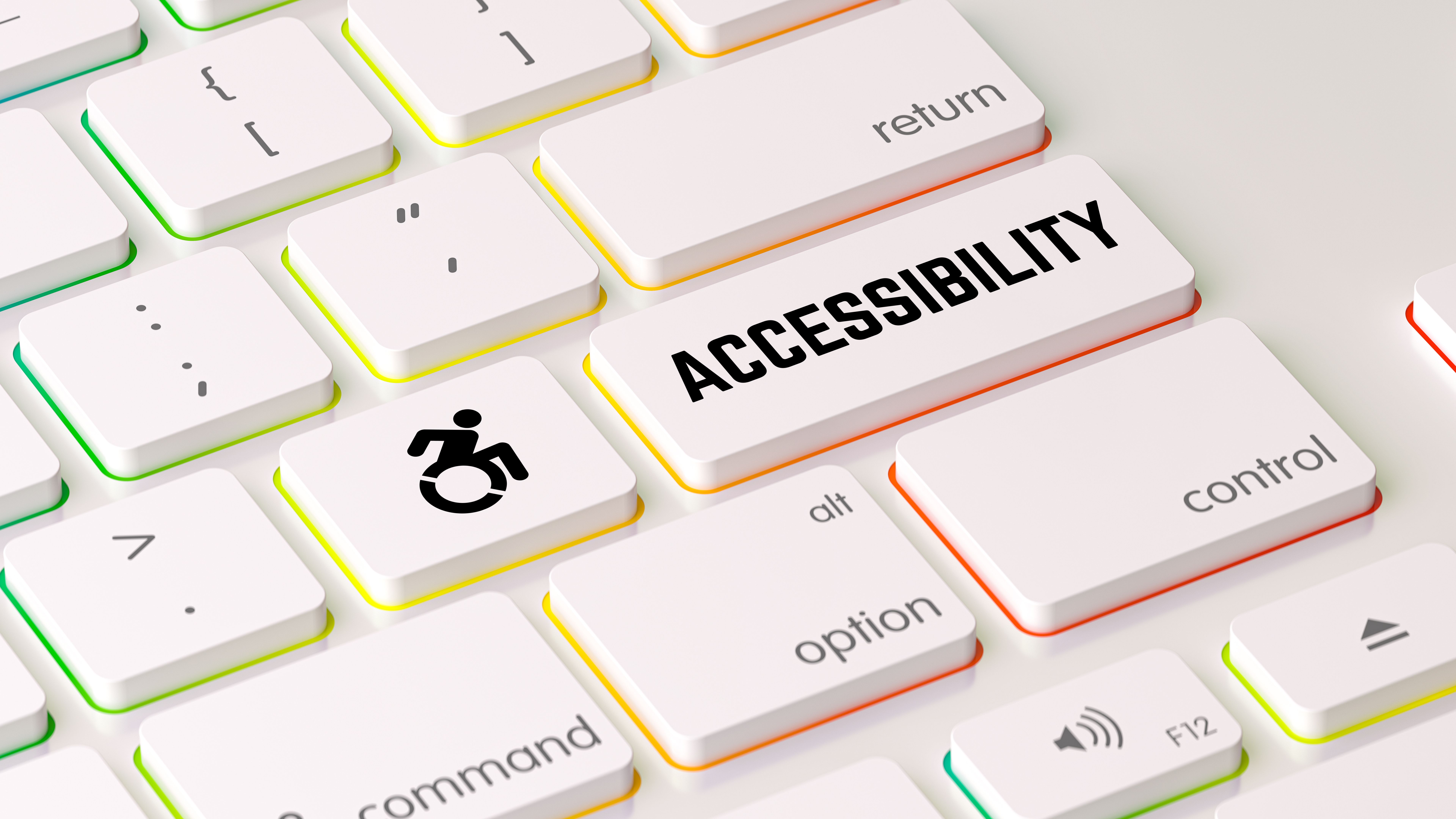
Additionally, communities must be vigilant about privacy and security concerns when using digital platforms. Safeguarding personal information and ensuring transparent data usage policies are essential to maintaining trust among community members.
The Path Forward
As we look to the future, it is clear that digital assets will continue to reshape the landscape of community development. By embracing these tools thoughtfully and strategically, communities can create more resilient, inclusive, and prosperous environments for all their members.
Ultimately, the successful integration of digital assets requires collaboration between community leaders, technology providers, and residents. Together, they can harness the power of digital innovation to build stronger and more connected communities.