
The Art of Intentional Design: Creating Spaces that Reflect Nature


The Concept of Intentional Design
Intentional design is a purposeful approach to crafting spaces that resonate with the natural world. It’s about more than just aesthetics; it’s an art form that connects humans to nature, promoting wellness and sustainability. By integrating elements that reflect the natural environment, designers can create harmonious spaces that foster a sense of peace and tranquility.
Incorporating nature into design can significantly impact our well-being. Studies show that exposure to natural elements can reduce stress, enhance creativity, and improve overall mood. With growing urbanization, it’s crucial to bring the outside in, creating sanctuaries that offer a respite from the hustle and bustle of daily life.
Bringing the Outdoors Inside
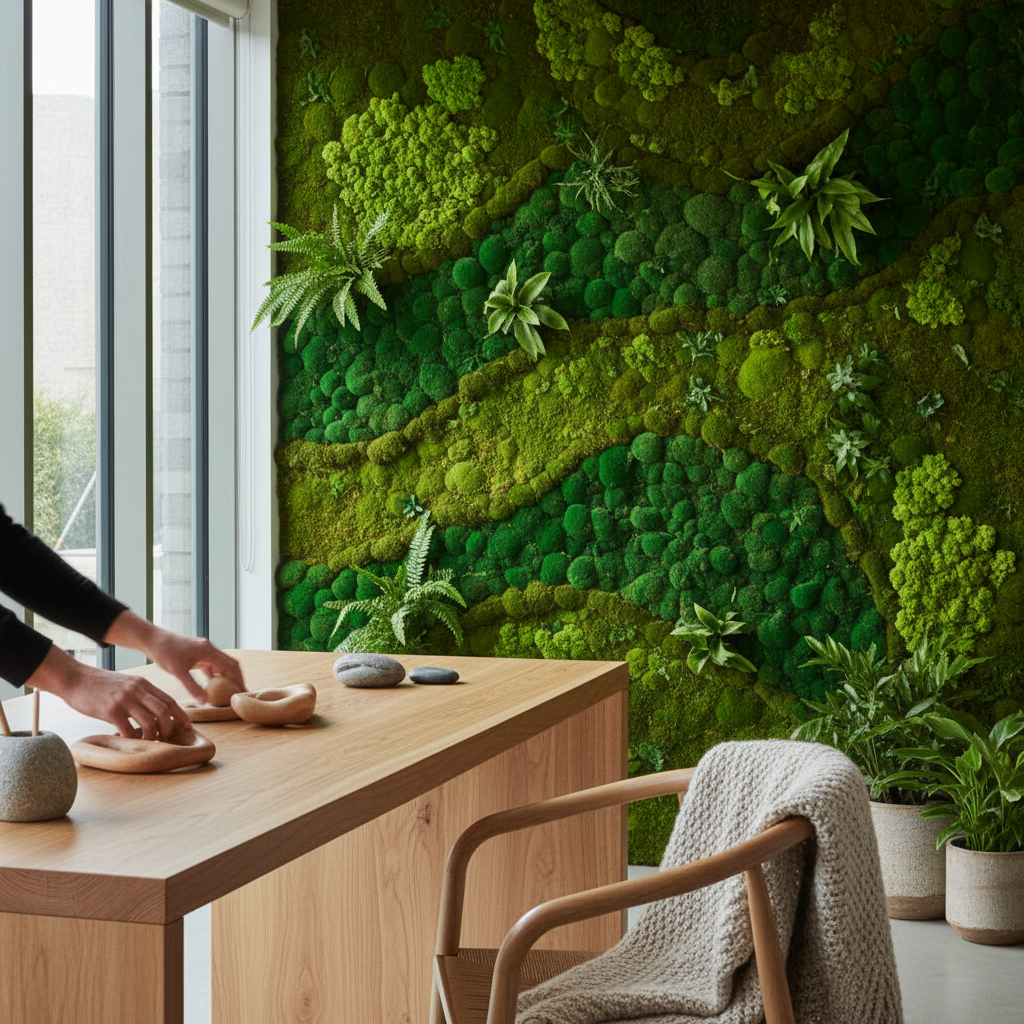
One of the key strategies in intentional design is incorporating natural materials. Wood, stone, and clay not only add texture but also bring an organic feel to the space. These materials can be used in various ways, from flooring and furniture to decorative accents, creating a seamless transition between indoor and outdoor environments.
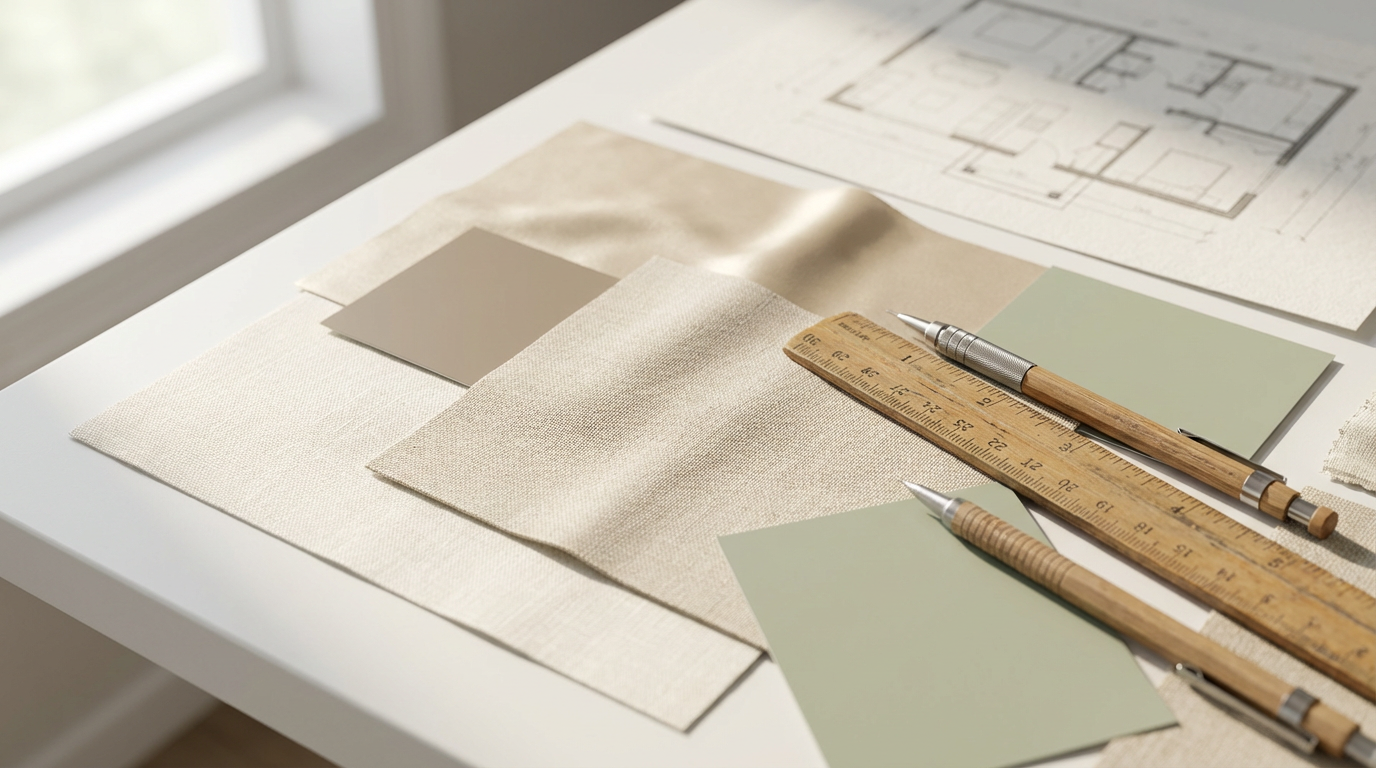
Additionally, using a color palette inspired by nature is essential. Earthy tones such as greens, browns, and blues can evoke a sense of calm and relaxation. These colors can be integrated through wall paints, textiles, and artwork to create a cohesive and inviting atmosphere.
Integrating Natural Light
Natural light is a vital component in creating spaces that reflect nature. Maximizing sunlight through large windows and skylights can brighten a room and reduce the need for artificial lighting. Not only does this enhance the aesthetic appeal, but it also supports energy efficiency.
Mirrors and reflective surfaces can be strategically placed to amplify natural light, making spaces appear larger and more open. The interplay of light and shadow can add dimension and interest, further enhancing the connection to the natural world.
Embracing Biophilic Design
Biophilic design is an integral part of intentional design, focusing on the human connection to nature. This approach involves integrating living plants and water features into the design. Indoor gardens, green walls, and aquariums can transform a space into a vibrant ecosystem, offering both visual and psychological benefits.
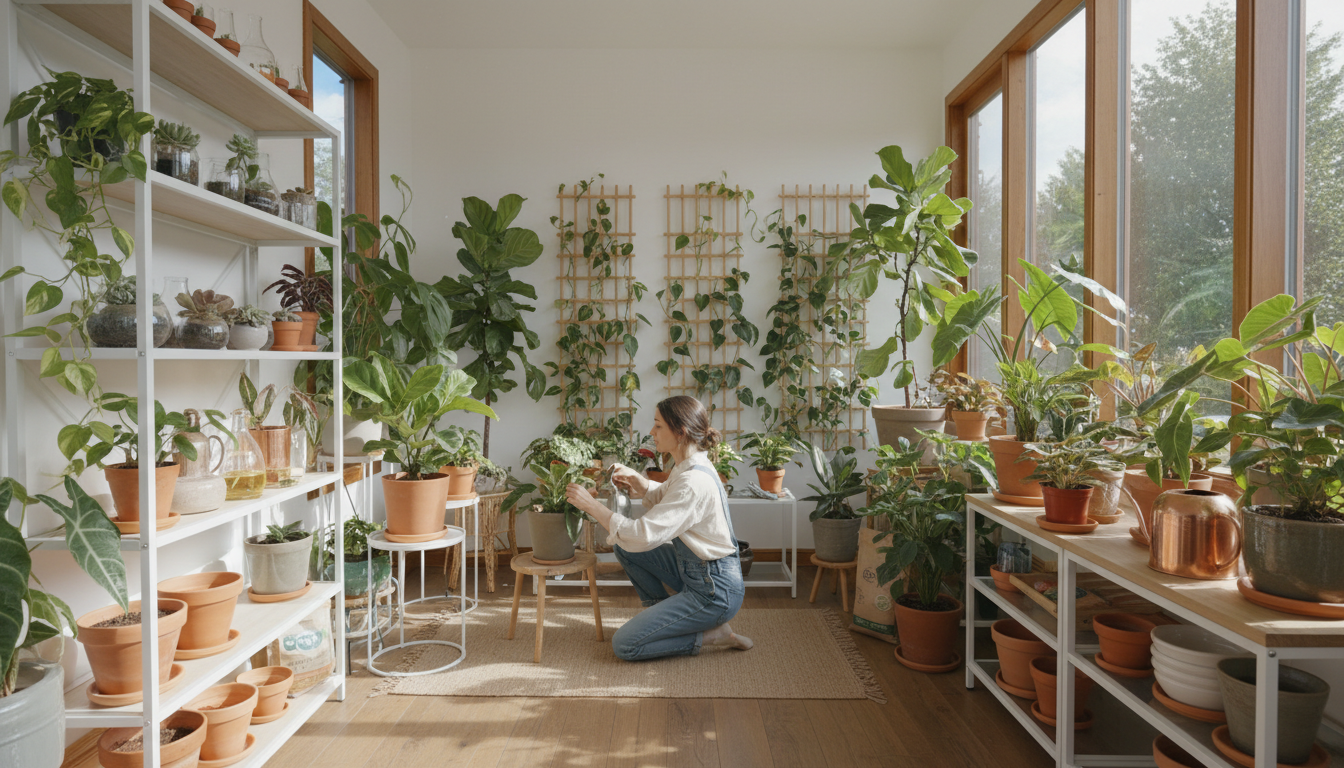
Biophilic elements can also include natural patterns and shapes. Curved lines and organic forms mimic the structures found in nature, creating a harmonious and balanced environment. These design choices can subconsciously evoke a sense of comfort and familiarity, making spaces more inviting.
Creating a Sustainable Environment
Sustainability is a fundamental aspect of intentional design. Choosing eco-friendly materials and energy-efficient systems can reduce the environmental impact while maintaining the integrity of the design. Reclaimed wood, recycled metals, and sustainably sourced textiles are excellent options for creating an eco-conscious space.
Implementing sustainable practices can also involve water conservation systems and renewable energy sources. By designing with sustainability in mind, we not only preserve the environment but also create healthier spaces for future generations.

The Future of Intentional Design
As we continue to evolve, the demand for spaces that reflect nature will only grow. Intentional design offers a pathway to creating environments that nurture the soul and respect the planet. By embracing this art form, we can transform our living and working spaces into havens of beauty and sustainability.
In conclusion, the art of intentional design is about crafting spaces that resonate with the natural world. It’s a holistic approach that considers aesthetics, functionality, and sustainability, ultimately creating environments that reflect the beauty and serenity of nature.