
Sustainable Living: Stewardship and Land Responsibility in Modern Real Estate


Understanding Sustainable Living in Real Estate
As the world increasingly recognizes the importance of environmental consciousness, sustainable living has become a central theme in modern real estate. This shift focuses not only on eco-friendly building materials but also on responsible land stewardship and management. Real estate developers and homeowners are now more aware of their impact on the environment and are taking steps to minimize their carbon footprint.
The Role of Stewardship in Real Estate
Stewardship in real estate involves managing properties in a way that preserves and enhances the natural environment. Developers are adopting practices that ensure land is used responsibly, maintaining the ecological balance. This includes integrating green spaces, promoting biodiversity, and conserving natural resources. By doing so, the real estate industry contributes to a more sustainable future.
Land Responsibility: A Key Component
Land responsibility goes hand in hand with stewardship. It involves thoughtful planning and development strategies that minimize environmental degradation. Developers are increasingly considering the long-term effects of their projects on the land and its ecosystems. This responsible approach not only benefits the environment but also enhances the quality of life for residents.

Innovative Practices in Sustainable Real Estate
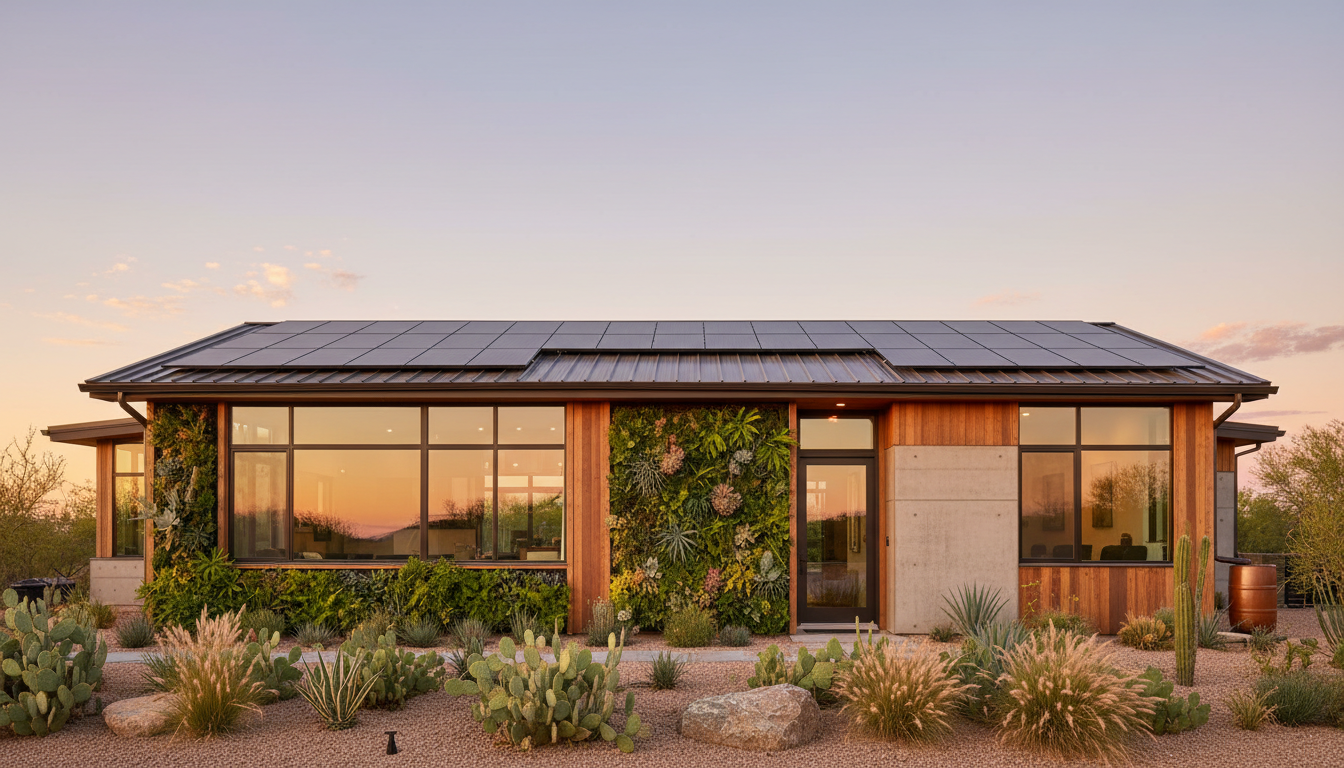
Innovative practices are at the forefront of sustainable real estate. These include the use of renewable energy sources, water conservation systems, and sustainable building materials. For instance, solar panels, rainwater harvesting, and recycled construction materials are becoming standard in new developments. Such innovations help reduce the overall environmental impact of real estate projects.
Community Involvement and Education
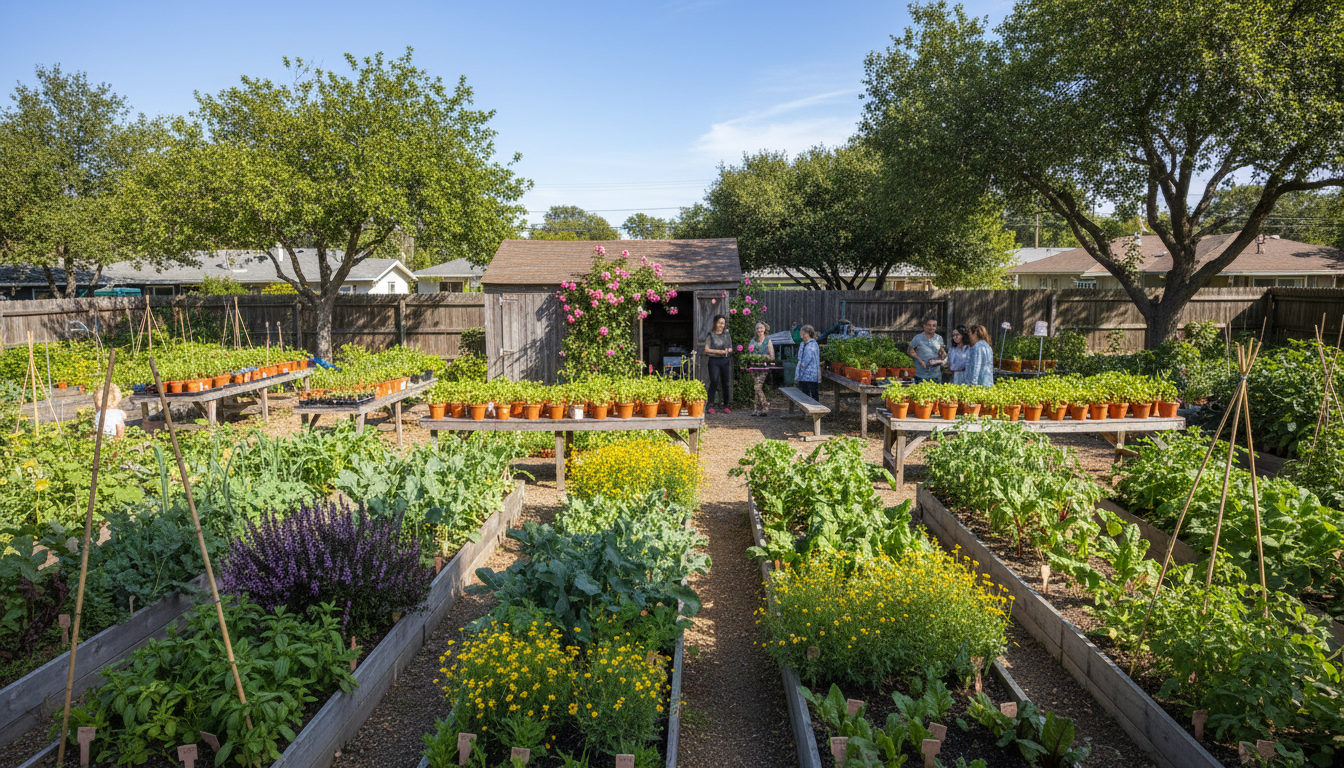
Community involvement is crucial in promoting sustainable living. Educating residents about the benefits of eco-friendly practices can lead to more widespread adoption. Real estate developers can host workshops and provide resources to help communities understand the importance of sustainability. This collective effort can lead to significant positive changes in how properties are managed and maintained.
The Financial Benefits of Sustainable Real Estate
Investing in sustainable real estate is not only good for the planet but also financially beneficial. Properties with eco-friendly features often have lower operating costs due to reduced energy and water usage. Additionally, sustainable properties tend to have higher resale values and attract environmentally conscious buyers. This makes them a smart investment for the future.
The Future of Real Estate and Sustainability
As the demand for sustainable living continues to grow, the real estate industry must adapt to meet these expectations. Future developments are likely to focus even more on integrating nature, promoting energy efficiency, and supporting sustainable communities. This evolution is essential for creating a more resilient and environmentally friendly real estate market.
In conclusion, sustainable living in real estate is about more than just green buildings. It encompasses stewardship, land responsibility, and community engagement. By embracing these principles, the industry can lead the way in creating a healthier, more sustainable planet for future generations.