
Maximizing Portfolio Stability: Balancing Traditional and Digital Asset Investments


Introduction to Portfolio Stability
In today's rapidly evolving financial landscape, maintaining a stable and resilient investment portfolio is more crucial than ever. Investors are increasingly exploring diverse asset classes to mitigate risks and maximize returns. Balancing traditional and digital asset investments is an effective strategy to achieve this goal.

Understanding Traditional Assets
Traditional assets have long been the cornerstone of investment portfolios. These include stocks, bonds, and real estate. Stocks offer potential growth through capital appreciation, while bonds provide steady income through interest payments. Real estate, on the other hand, is a tangible asset that can generate rental income and appreciate over time.
The Role of Stocks and Bonds
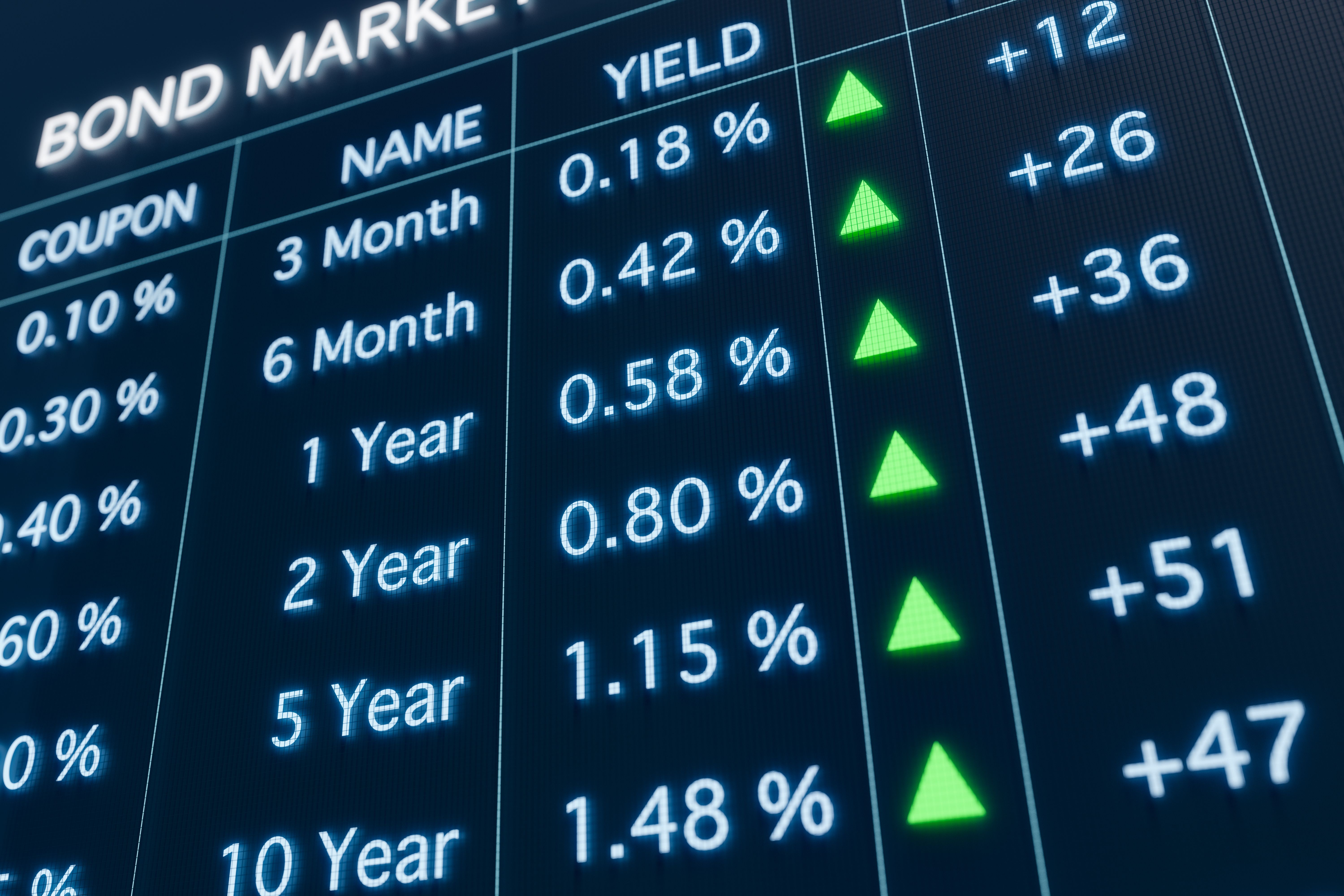
Stocks and bonds form the bedrock of many investment strategies. Stocks can deliver high returns but come with volatility, whereas bonds typically offer lower returns with greater stability. A balanced mix of both can provide a cushion against market fluctuations, enhancing overall portfolio stability.
Embracing Digital Assets
Digital assets, particularly cryptocurrencies and blockchain-based tokens, have emerged as innovative investment opportunities. These assets offer unique benefits such as decentralization, transparency, and high potential returns. However, they also carry significant risks due to their volatility and regulatory uncertainties.
Cryptocurrencies: A New Frontier
Cryptocurrencies like Bitcoin and Ethereum have gained popularity for their potential to deliver substantial gains. They operate independently of traditional financial systems, providing a hedge against inflation and currency devaluation. Nonetheless, investors must approach them with caution due to their unpredictable nature.

Strategies for Balancing Investments
A well-balanced portfolio leverages the strengths of both traditional and digital assets. Here are some strategies to consider:
- Diversification: Spread investments across different asset classes to reduce risk.
- Risk Assessment: Evaluate the risk tolerance and adjust allocations accordingly.
- Regular Rebalancing: Periodically review and adjust the portfolio to maintain the desired balance.
Long-term vs Short-term Goals
Aligning asset allocation with investment goals is crucial. For long-term growth, a higher allocation in stocks and select digital assets might be suitable. Conversely, for short-term stability, a focus on bonds and less volatile digital assets is advisable.

Conclusion
Maximizing portfolio stability requires a thoughtful blend of traditional and digital asset investments. By understanding the characteristics of each asset class and implementing strategic allocation techniques, investors can enhance their portfolios' resilience against market uncertainties. As the financial landscape continues to evolve, staying informed and adaptable will be key to successful investing.