
How Web3 Investments Can Enhance Educational Institutions' Financial Strategies


Understanding Web3 and Its Potential in Education
Web3, the third generation of internet services that leverages blockchain technology, is making waves across various sectors. Educational institutions, traditionally slow to adopt new technologies, now have the opportunity to enhance their financial strategies by embracing Web3. By understanding its potential, schools and universities can position themselves at the forefront of innovation.
Web3 is characterized by decentralization, transparency, and enhanced security. These traits provide a solid foundation for educational institutions to build new financial models, reducing reliance on traditional funding sources and increasing engagement with stakeholders.

Decentralized Finance (DeFi) and Educational Funding
Decentralized Finance, or DeFi, offers a range of financial products and services accessible via blockchain platforms. Educational institutions can leverage DeFi to access new funding sources. By tokenizing assets or creating educational bonds on blockchain networks, schools can attract investors who are looking for new opportunities in the education sector.
Furthermore, DeFi enables institutions to manage funds more transparently. This transparency can enhance trust among stakeholders, including students, parents, and donors, who can track how funds are being utilized in real-time.
Non-Fungible Tokens (NFTs) in Education
Non-Fungible Tokens (NFTs) have gained popularity for their ability to represent ownership of unique digital assets. Educational institutions can use NFTs to create new revenue streams. For example, schools can mint NFTs for exclusive educational content, memorabilia, or even as certificates that verify student achievements.
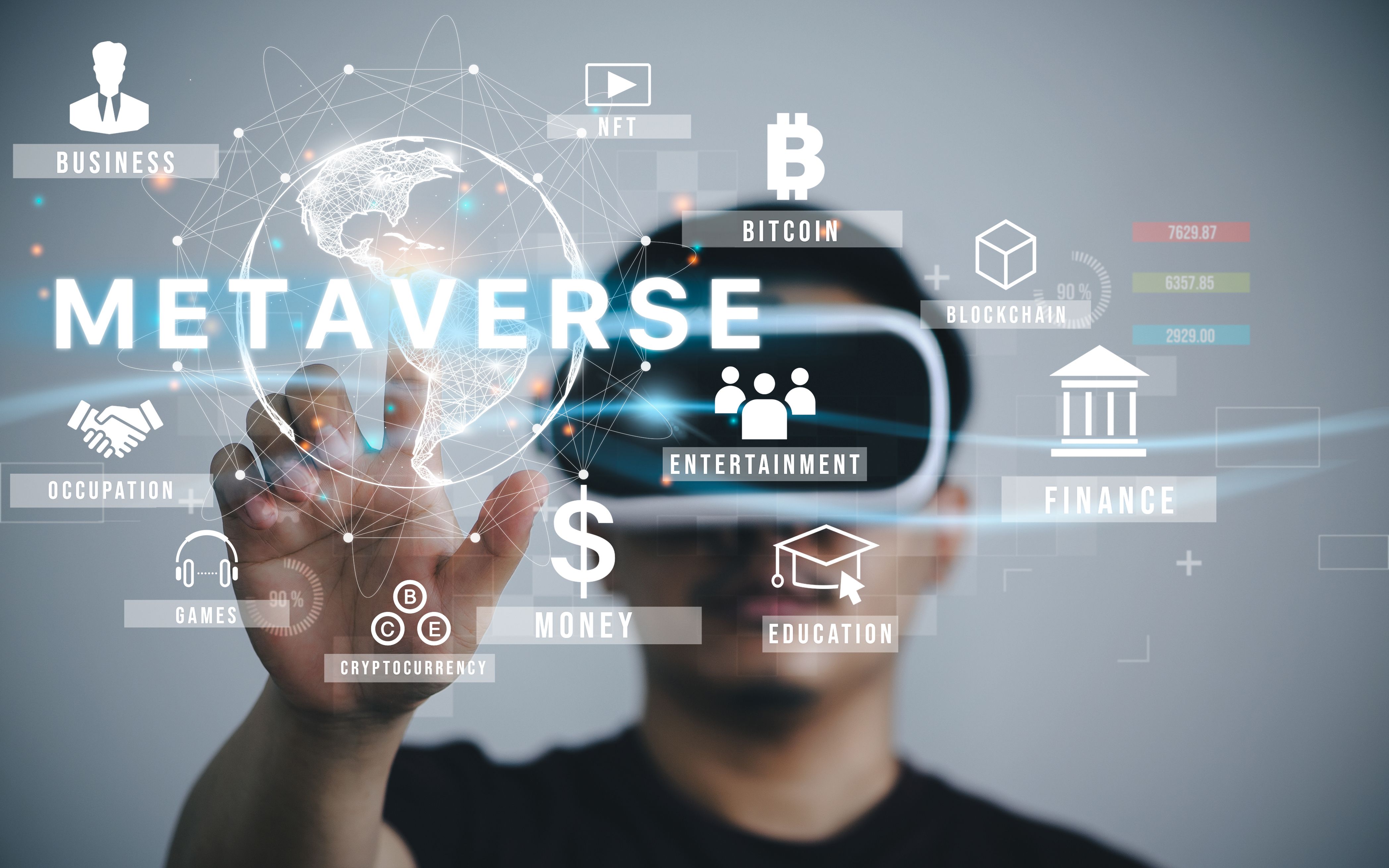
NFTs offer a novel way for alumni and supporters to engage with their alma mater. By purchasing or trading NFTs, they can support the institution financially while gaining unique digital assets that hold sentimental or practical value.
Blockchain for Enhanced Data Security
Data security is a top concern for educational institutions. Utilizing blockchain technology ensures that sensitive information like student records and financial data is stored securely and immutably. This security feature not only protects the data but also builds trust among students and parents.
By integrating blockchain solutions, schools can enhance their reputation as forward-thinking institutions that prioritize the privacy and security of their stakeholders' information.

Incentivizing Learning Through Cryptocurrencies
Integrating cryptocurrencies into educational systems can create innovative incentive structures for students. Institutions can reward students with tokens for academic achievements or participation in extracurricular activities. These tokens can be used to access school resources or exchanged for other cryptocurrencies.
This approach not only motivates students but also introduces them to financial literacy concepts early on, preparing them for the digital economy.
Challenges and Considerations
While Web3 presents numerous opportunities for educational institutions, there are challenges to consider. The volatility of cryptocurrencies and regulatory uncertainties can pose risks. Institutions must approach Web3 investments with a clear strategy and risk management plan.
Moreover, ensuring equitable access to these technologies is crucial so that all students benefit from the advancements in financial strategies.
The Future of Education in the Web3 Era
The integration of Web3 technologies into educational institutions' financial strategies is not just a trend but a transformative shift. As more schools explore these opportunities, they stand to benefit from increased funding avenues, enhanced stakeholder engagement, and improved operational transparency.

Educational institutions that embrace Web3 today are setting themselves up for a future where technology and education go hand in hand, creating a more sustainable and innovative learning environment for generations to come.