
How to Curate Meaningful Gatherings that Honor Tradition


Understanding the Importance of Tradition
Traditions are the threads that connect us to our heritage and provide a sense of belonging. They are more than just customs; they are an integral part of our identities. When curating gatherings that honor tradition, it's essential to understand the values and meanings behind these practices. This understanding allows you to create experiences that are both respectful and enriching.
Start by researching the history and significance of the traditions you wish to incorporate. Whether it’s a cultural festival, a family reunion, or a community event, knowing the background can help you convey the right message. Engage with elders or cultural custodians who can provide insights and stories, enriching the gathering with authenticity.
Incorporating Traditional Elements
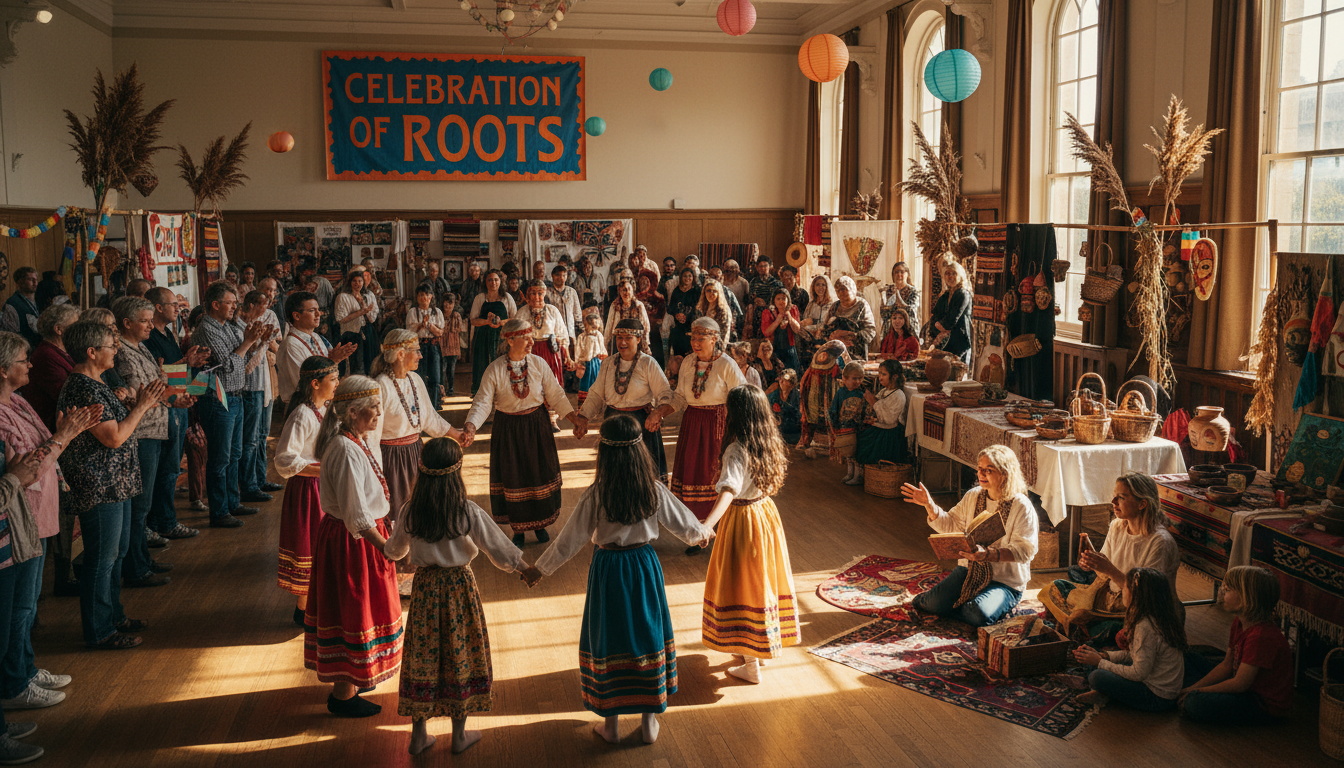
To curate a gathering that truly honors tradition, consider incorporating elements that reflect the cultural practices you wish to celebrate. This might include traditional music, dance, attire, or cuisine. Each of these elements can serve as a powerful reminder of the tradition's roots.
When planning these elements, collaborate with community members who are familiar with these practices. Their input can ensure that the gathering is both respectful and accurate. Additionally, consider the setting and atmosphere, as they play a crucial role in enhancing the traditional experience.
Food and Beverages
Food is often at the heart of any gathering. It brings people together and fosters a sense of community. When honoring tradition, incorporate dishes that are significant to the culture. You might even include a cooking demonstration or a tasting session where attendees can learn more about the origins and preparation of these dishes.

Engaging Attendees with Meaningful Activities
Activities are an excellent way to engage attendees and deepen their connection to the tradition being honored. Consider organizing workshops, storytelling sessions, or craft activities that allow participants to actively engage with the culture.
Create opportunities for attendees to learn through participation. This could be through traditional games, arts and crafts, or even language lessons. These activities not only make the gathering enjoyable but also educational.
Storytelling and Sharing
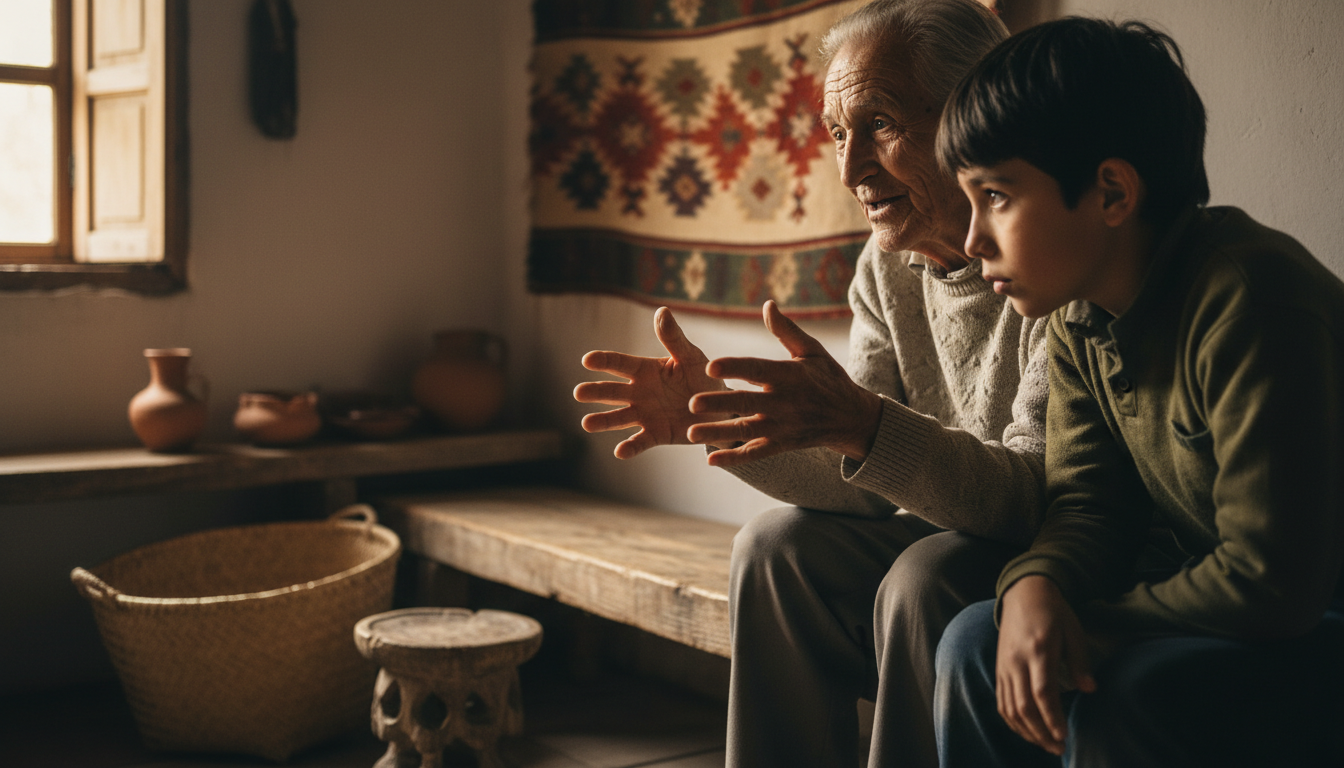
Storytelling is a powerful way to pass down traditions. Invite speakers or storytellers who can share tales and anecdotes that highlight the history and values of the tradition. Encourage participants to share their own stories or experiences, creating a rich tapestry of voices and perspectives.
Balancing Tradition with Modernity
While it’s important to honor tradition, it’s also essential to make it relevant to today’s audience. Consider how modern elements can blend with traditional ones to create a more inclusive and relatable experience. This might involve using technology for virtual participation or incorporating contemporary music and art that resonates with younger audiences.
By thoughtfully balancing tradition with modernity, you can ensure that the gathering appeals to a broad audience, fostering a deeper appreciation for the culture.