
How to Curate Cultural Experiences That Connect and Inspire


Understanding Cultural Experiences
Cultural experiences offer a unique window into the traditions, values, and lifestyles of different communities. Curating these experiences can open doors to meaningful connections and inspire individuals to embrace diversity. To effectively curate cultural experiences, it's essential to understand the core elements that make them authentic and engaging.
Start by researching the culture you wish to showcase. This involves understanding its history, traditions, and societal norms. Engaging with local experts or community members can provide invaluable insights that go beyond textbooks.
Setting Clear Objectives
Before diving into the details of an event or experience, it's crucial to set clear objectives. What do you hope to achieve through this cultural experience? Whether it's fostering cross-cultural understanding or simply celebrating diversity, having a clear goal will guide your planning process.
Consider the audience you are targeting. Tailor the experience to their interests and existing knowledge level. This ensures the content resonates and leaves a lasting impact.
Creating Immersive Experiences
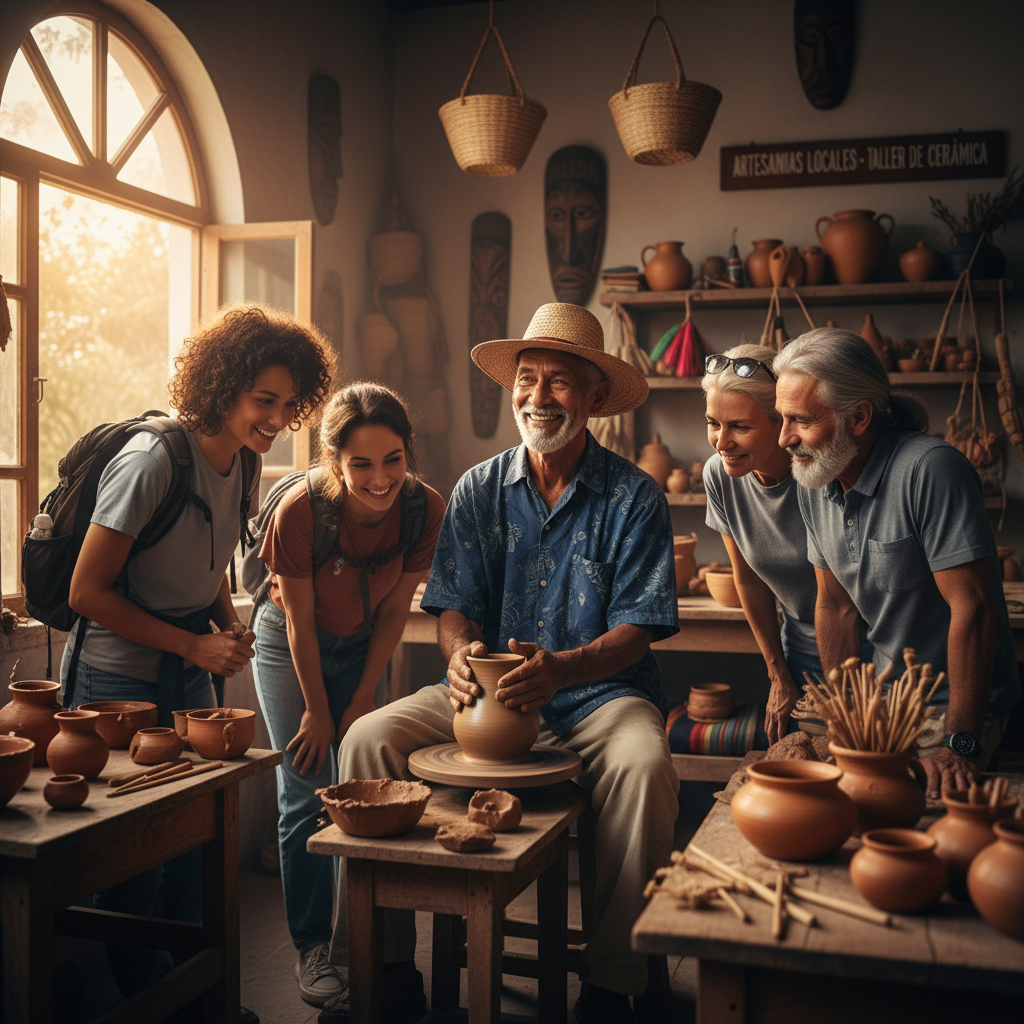
Immersion is key to creating memorable cultural experiences. Encourage participants to engage with the culture actively rather than passively observing. This can be achieved through hands-on activities, workshops, or interactive sessions.
For instance, cooking classes showcasing traditional recipes or dance workshops led by local artists can provide participants with a deeper appreciation and understanding of the culture.

Collaborating with Local Experts
Partnering with local experts or cultural ambassadors can significantly enhance the authenticity of the experience. These individuals bring a wealth of knowledge and personal stories that can enrich the experience.
Establishing strong relationships with local communities also ensures that the cultural representation is respectful and accurate. It provides a platform for voices within the community to share their narratives directly.
Incorporating Technology
In today's digital age, technology can play a pivotal role in curating cultural experiences. Virtual reality, augmented reality, and online platforms enable individuals from across the globe to participate in cultural events without physical barriers.
Utilizing these technologies can broaden your audience reach and offer innovative ways to explore different cultures. Virtual tours of museums or interactive online sessions can be effective tools in your curation arsenal.

Evaluating and Adapting
After the cultural experience, gather feedback from participants to assess its impact. This can be through surveys, interviews, or informal discussions. Understanding what resonated and what didn't will help refine future experiences.
Be open to adapting and evolving your approach based on this feedback. Cultural experiences are dynamic, and staying flexible ensures they remain relevant and engaging.
Ensuring Accessibility
Accessibility should be a cornerstone of all cultural experiences. Consider the diverse needs of your audience and make the necessary accommodations to ensure everyone can participate fully.
This might involve providing translations, ensuring physical accessibility, or offering resources in multiple formats. A truly inclusive experience considers all participants and creates a welcoming environment for everyone.