
Exploring the Art of Storytelling in Space Design


Understanding the Role of Storytelling in Space Design
Storytelling is a powerful tool that transcends its traditional boundaries, finding a unique expression in the realm of space design. By weaving narratives into the physical environment, designers can evoke emotions, create connections, and enhance user experiences. This transformation of space into a narrative canvas involves careful consideration of elements, such as layout, color, texture, and light.
The art of storytelling in space design goes beyond mere aesthetics. It’s about creating an immersive journey that speaks to the senses and the soul. With thoughtful design, spaces can communicate stories that resonate on a personal level, turning ordinary environments into extraordinary experiences.

The Elements of Storytelling in Space Design
Layout and Flow
A well-designed layout acts as the narrative structure of a space. It guides the user’s journey, much like a plot guides a story. The flow from one area to another can signify transitions in a narrative, inviting exploration and discovery. By strategically placing elements, designers can create a captivating and intuitive experience.
Color and Texture
Colors and textures serve as the emotional language of a space. They set the tone and mood, influencing how users feel and interact within the space. Warm colors may evoke a sense of comfort and intimacy, while cooler tones can inspire calm and focus. Textures add depth and tactile interest, further enhancing the storytelling experience.
Lighting
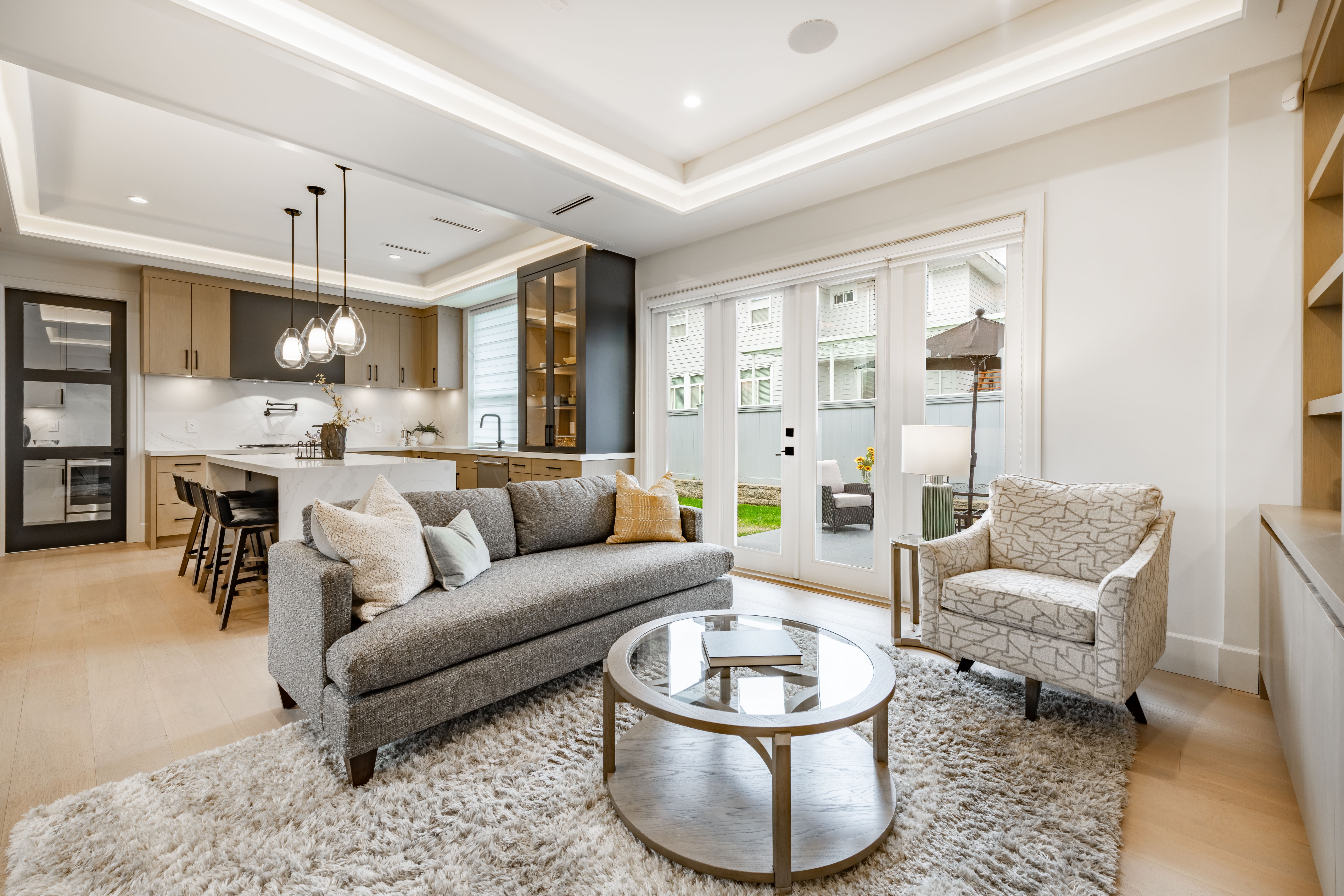
Lighting is a crucial storyteller in space design. It highlights key areas, draws attention, and creates atmosphere. The interplay of light and shadow can dramatically transform a space, adding layers to its narrative. Whether natural or artificial, light can evoke a sense of time, season, and even emotion.
The Impact of Storytelling on User Experience
Integrating storytelling into space design significantly enhances user experience. It creates environments that are not only functional but also meaningful and memorable. Users are more likely to feel connected to spaces that tell a story, leading to increased engagement and satisfaction.
- Enhanced emotional connection
- Improved navigation and orientation
- Increased memorability and impact

Examples of Storytelling in Action
Many renowned spaces around the world exemplify the power of storytelling in design. Museums often use storytelling to create immersive exhibits, guiding visitors through historical narratives. Retail spaces, too, leverage storytelling to enhance brand identity and customer experience, transforming shopping into a journey.
In the hospitality industry, hotels and resorts craft stories that reflect their location, culture, and heritage. Each room and common area becomes a chapter in a larger narrative, inviting guests to become part of the story.
Conclusion: Crafting Your Own Story
As we explore the art of storytelling in space design, it becomes clear that every space has a story to tell. By thoughtfully integrating narrative elements, designers can create environments that resonate deeply with users. Whether in homes, workplaces, or public spaces, the stories we tell through design have the power to transform lives and experiences.
Embrace the art of storytelling in your own design projects. Consider what stories you want to tell and how each element of your space can contribute to that narrative. The possibilities are endless, and the impact is profound.