
Decentralized Wireless Networks: A Game Changer for Educational Institutions


Understanding Decentralized Wireless Networks
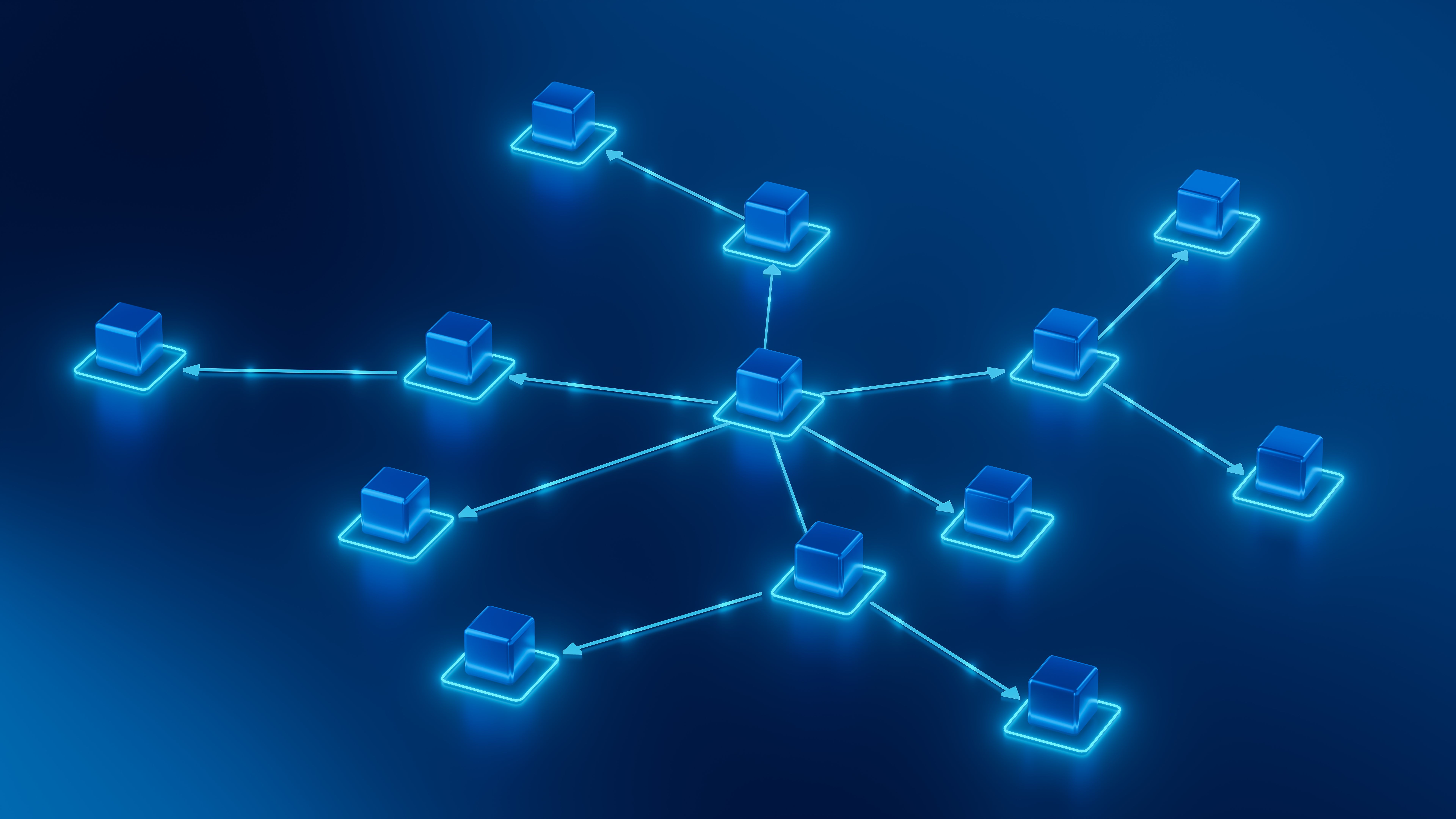
In recent years, the concept of decentralized wireless networks has gained significant attention across various sectors, notably in educational institutions. These networks operate without centralized control, leveraging devices and nodes that communicate directly with each other. This paradigm shift is redefining how schools and universities approach connectivity, offering a host of benefits that traditional networks may not provide.
Decentralized networks operate on a peer-to-peer basis, which increases their resilience and flexibility. By eliminating the need for central hubs, these networks can continue to function even if a portion of the network fails. This reliability is especially critical in educational settings where uninterrupted access to learning resources is paramount.
Benefits for Educational Institutions
One of the primary advantages of decentralized wireless networks for educational institutions is cost-effectiveness. Traditional networks often require significant investment in infrastructure and maintenance. In contrast, decentralized networks can significantly reduce these costs by utilizing existing hardware and minimizing the need for extensive cable installations.
Moreover, decentralized networks enhance connectivity and accessibility. In large campuses or schools with multiple buildings, maintaining a strong and consistent wireless signal can be challenging. Decentralized networks allow seamless coverage across different locations, ensuring students and staff have reliable access to the internet and digital resources from anywhere on campus.

Enhanced Security and Privacy
Security is a major concern for educational institutions, particularly with the increasing reliance on digital learning tools. Decentralized wireless networks offer enhanced security features by distributing data across multiple nodes. This makes it more difficult for malicious actors to compromise the entire network, as there is no single point of failure.
Additionally, these networks can improve privacy for students and staff. With data being processed closer to its source, there is less risk of interception during transmission. This localized data handling can be particularly beneficial in maintaining the confidentiality of sensitive information.
Facilitating Innovative Learning Experiences
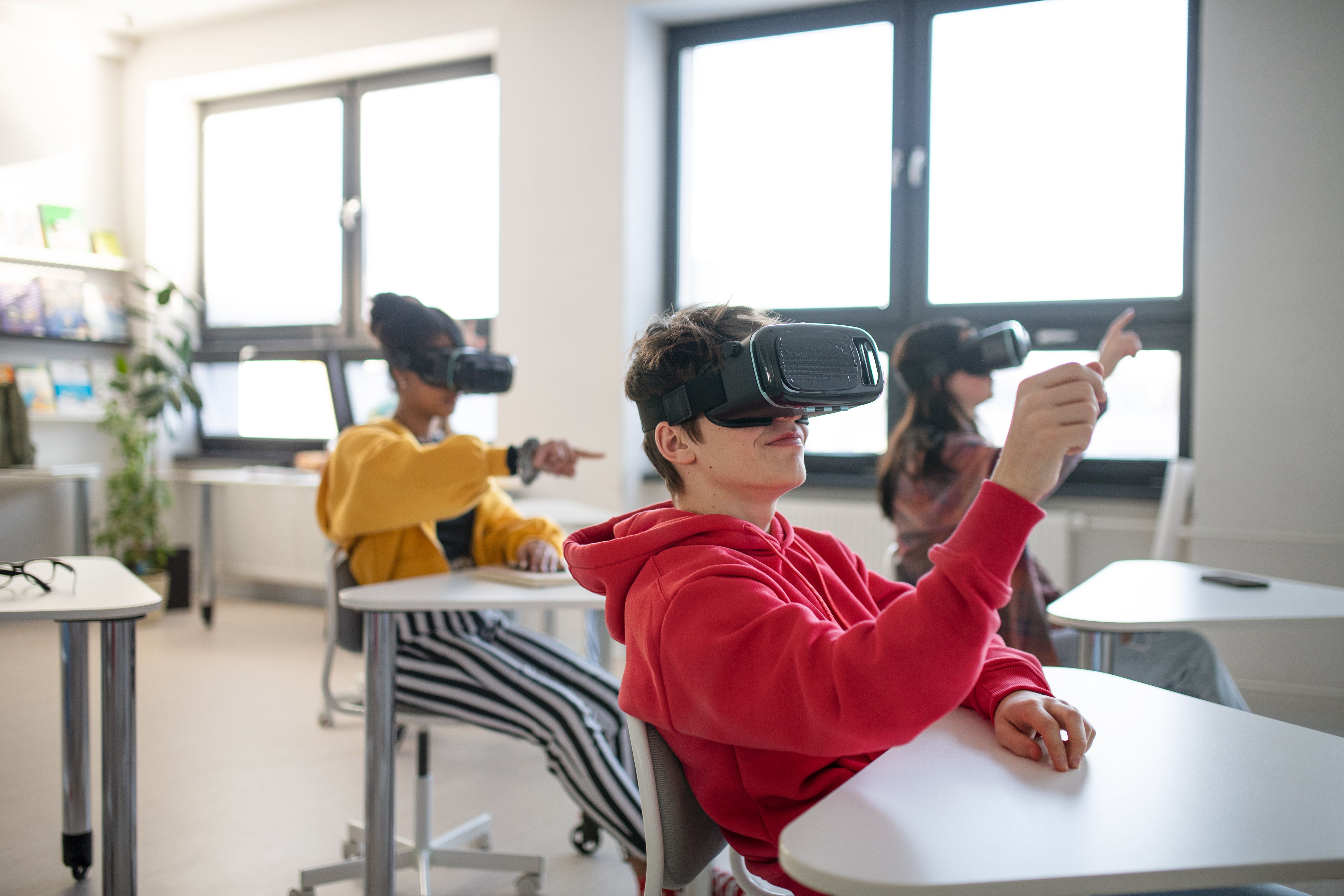
Decentralized wireless networks also pave the way for more innovative and interactive learning experiences. With robust and reliable connectivity, educational institutions can integrate advanced technologies such as virtual reality (VR) and augmented reality (AR) into their curricula. These technologies require high data throughput and low latency, both of which decentralized networks can provide.
Furthermore, decentralized networks support the burgeoning Internet of Things (IoT) within educational environments. Schools can deploy smart devices and sensors across campus to monitor energy usage, ensure security, and even track student attendance in real-time, all contributing to a smarter and more efficient educational ecosystem.
Challenges and Considerations
While decentralized wireless networks offer numerous benefits, there are challenges to consider. Implementing these networks requires careful planning and a shift in how network management is approached. Educational institutions must ensure they have the technical expertise to manage these systems effectively.
Additionally, as with any technological advancement, there might be initial resistance to change from stakeholders who are accustomed to traditional network setups. Addressing these concerns through education and demonstration of benefits will be crucial in gaining widespread acceptance.
The Future of Connectivity in Education
The integration of decentralized wireless networks into educational institutions represents a promising step towards future-proofing education. As more schools and universities adopt this technology, we can expect to see a transformation in how educational content is delivered and accessed.
Ultimately, decentralized wireless networks have the potential to create more resilient, cost-effective, and innovative learning environments. By embracing this technology, educational institutions can ensure they remain at the forefront of connectivity advancements, preparing students for a digitally-driven world.