
Creating Timeless Spaces: The Role of Craftsmanship in Sustainable Real Estate


In the ever-evolving world of real estate, the concept of creating timeless spaces is gaining momentum. As the industry shifts towards sustainable practices, the role of craftsmanship has become more crucial than ever. Craftsmanship not only ensures quality and longevity but also contributes significantly to the sustainability of real estate projects.

The Importance of Craftsmanship in Real Estate
Craftsmanship brings a unique value to real estate by combining skilled artistry with functional design. Skilled craftsmen ensure that every detail is meticulously attended to, which enhances the overall quality and durability of the property. This attention to detail reduces the need for frequent repairs and replacements, thus supporting sustainability.
Moreover, craftsmanship often incorporates traditional techniques that have stood the test of time. By using these methods, builders can create spaces that are not only aesthetically pleasing but also resilient to the elements. This combination of beauty and durability is what makes a space truly timeless.
Integrating Sustainability with Craftsmanship
Sustainability in real estate is about more than just using eco-friendly materials. It involves creating spaces that can endure for generations. Craftsmanship plays a vital role in this process by ensuring that structures are not only built to last but also designed to adapt to future needs.
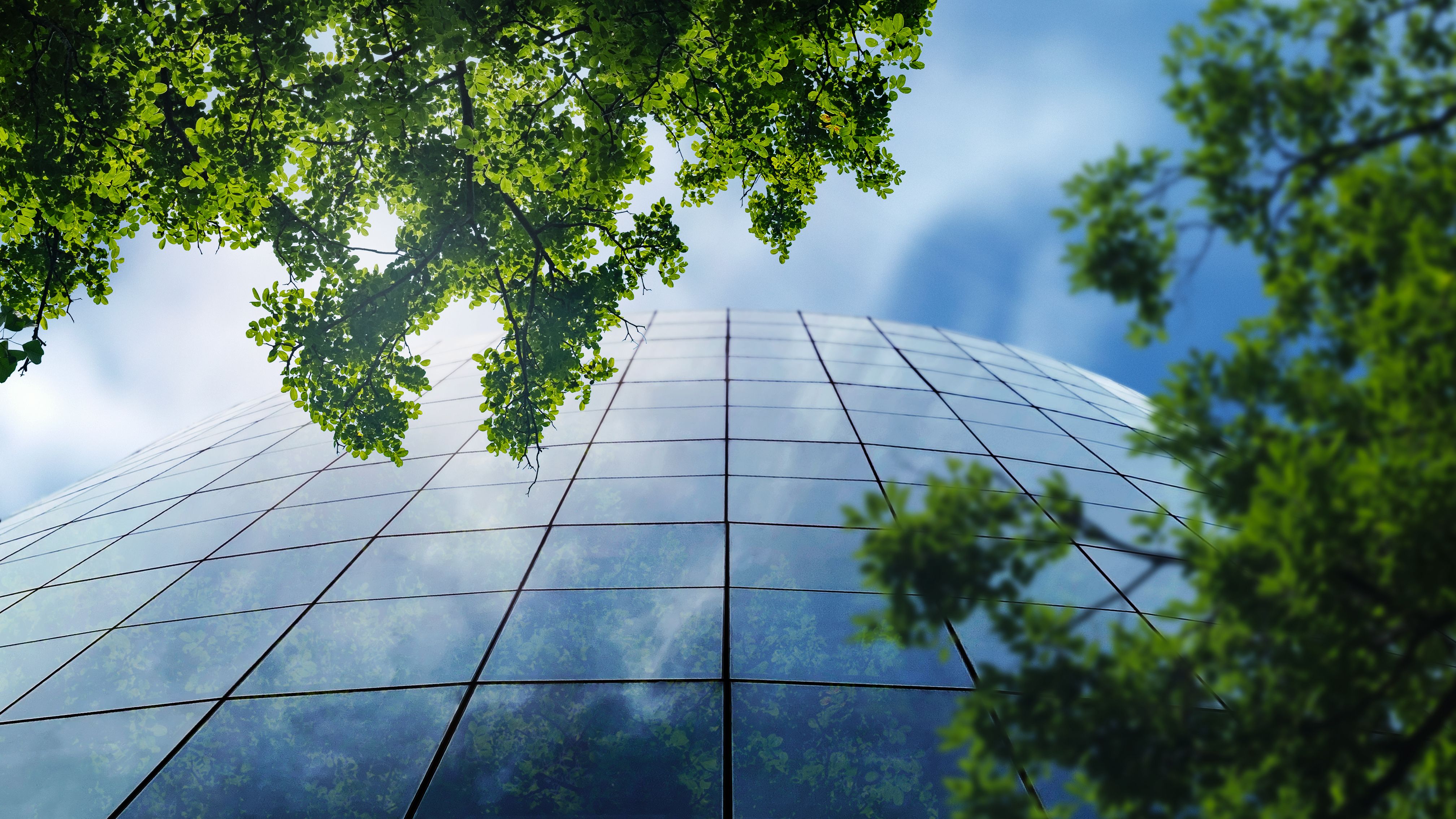
For example, incorporating natural materials like wood and stone, which can be locally sourced and are biodegradable, helps reduce the carbon footprint. Similarly, skilled craftsmen can design spaces that maximize natural light and airflow, reducing the need for artificial lighting and cooling.
Benefits of Timeless Spaces
Creating timeless spaces through craftsmanship and sustainability has multiple benefits. These spaces often require less maintenance and are more energy-efficient, which can lead to cost savings for homeowners and developers alike. Additionally, they tend to retain their value over time, making them a wise investment.
- Durability: High-quality craftsmanship ensures that buildings can withstand wear and tear.
- Energy Efficiency: Thoughtful design can significantly reduce energy consumption.
- Longevity: Timeless designs remain appealing across generations.
The Future of Sustainable Craftsmanship
As the real estate industry continues to evolve, the integration of craftsmanship with sustainable practices is likely to become more prevalent. This approach not only addresses environmental concerns but also meets the growing demand for high-quality, enduring spaces.

Future trends are expected to focus on innovative materials and techniques that further enhance the sustainability of real estate. This includes the use of recycled materials and the incorporation of smart technology to create adaptable and efficient living spaces.
In conclusion, the role of craftsmanship in sustainable real estate cannot be overstated. By prioritizing quality, durability, and sustainability, developers can create timeless spaces that are both beautiful and practical. This harmonious blend of tradition and innovation is the key to building a sustainable future in real estate.