
Creating Timeless Spaces: The Art of Intentional Design


Understanding Intentional Design
Creating timeless spaces is an art that goes beyond mere aesthetics. It involves the thoughtful curation of elements to evoke a sense of harmony and balance. Intentional design focuses on purpose, ensuring that each piece serves a specific function while contributing to the overall atmosphere.
In a world where trends come and go, intentional design stands firm by emphasizing quality and functionality over fleeting styles. By prioritizing these elements, designers can create spaces that remain relevant and appealing for years to come.
Prioritizing Functionality
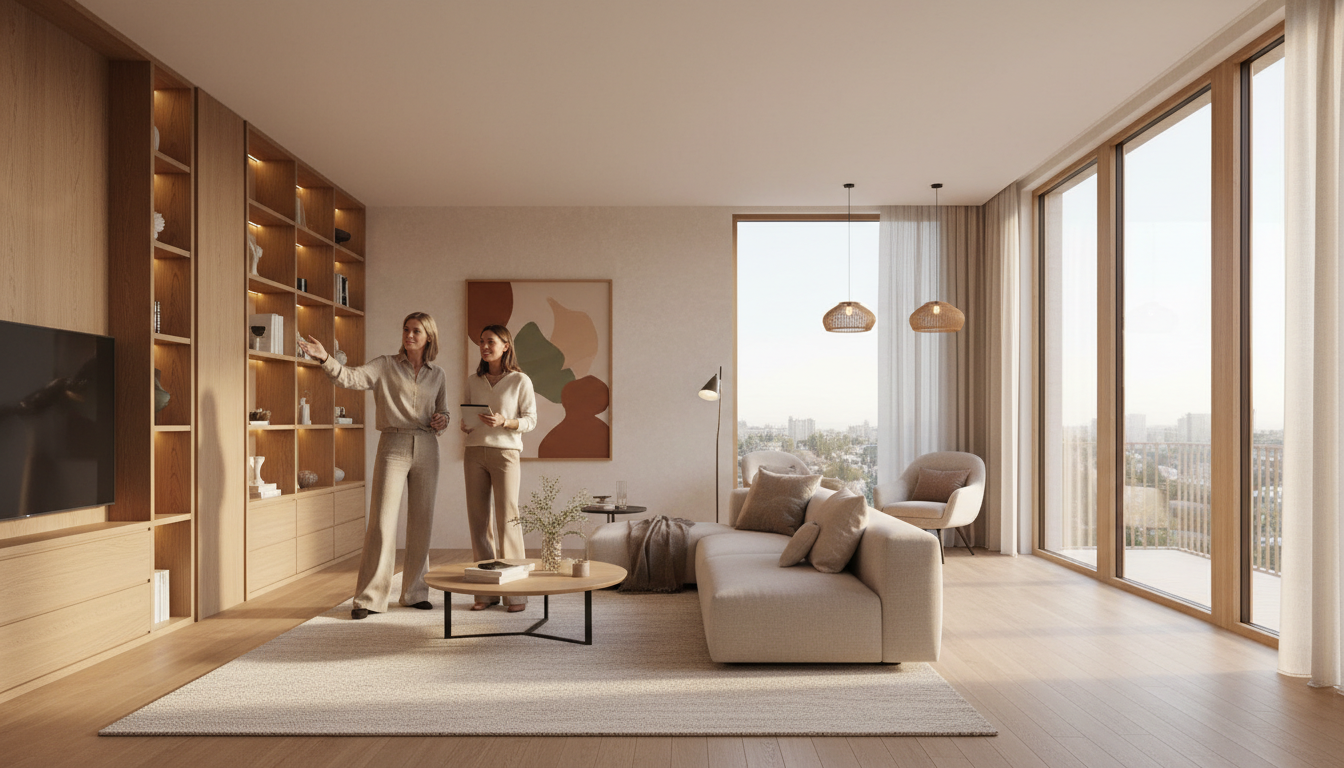
Functionality is the cornerstone of any timeless space. Each area in your home or office should serve a clear purpose, making daily activities seamless and enjoyable. By understanding the needs of the inhabitants, designers can create layouts that enhance productivity and comfort.
To achieve this, consider the flow of movement within each room and how the placement of furniture and fixtures can support it. Effective storage solutions and versatile furnishings are also key to maintaining a clutter-free environment.
Practical Tips for Functional Design
- Assess the primary activities in each space.
- Choose furniture that complements the room’s function.
- Incorporate flexible designs to accommodate changing needs.
Emphasizing Quality and Craftsmanship
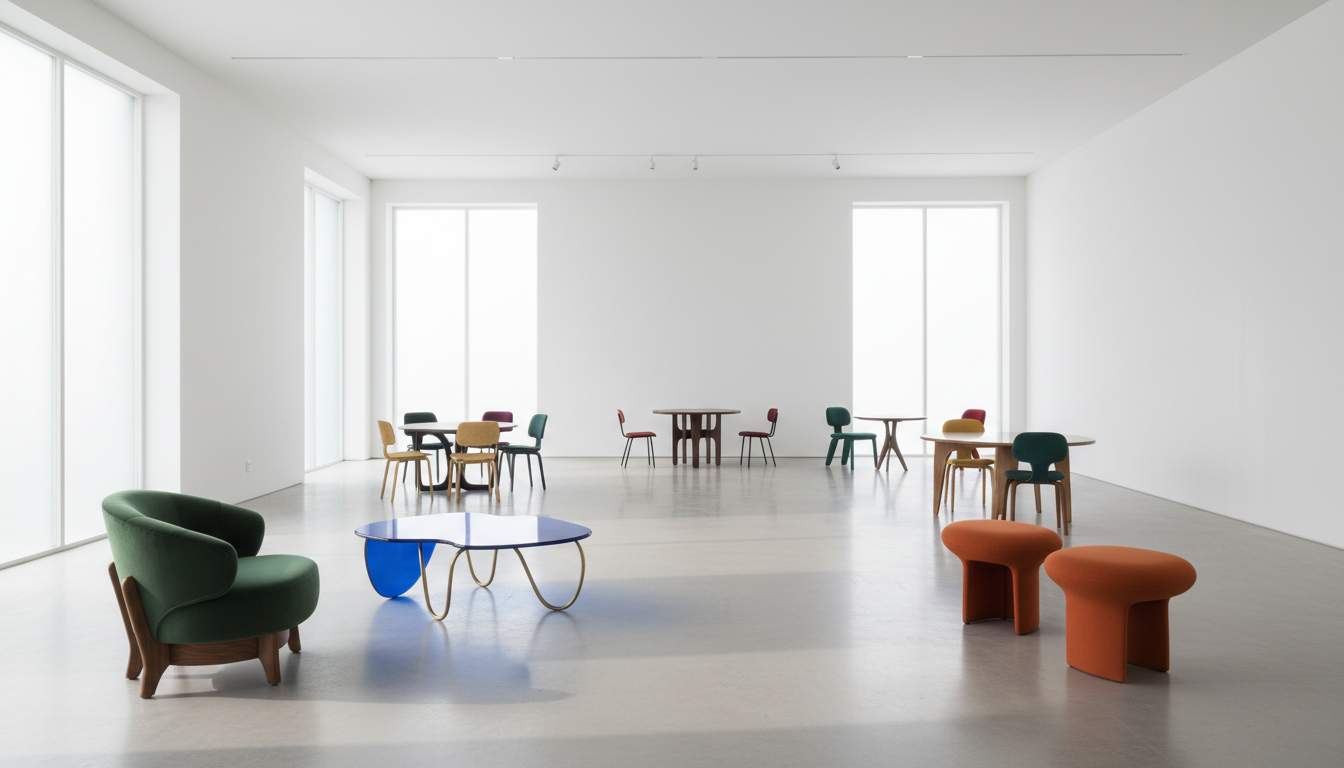
Timeless spaces are often defined by the quality of materials and the craftsmanship involved. Investing in high-quality pieces not only enhances the aesthetic appeal but also ensures longevity. Choose materials that age gracefully, such as solid wood, leather, and natural fibers.
Handcrafted items add a unique touch, bringing character and individuality to your space. These pieces often tell a story and become cherished heirlooms passed down through generations.
Incorporating Classic Design Elements
Classic design elements serve as the backbone of timeless interiors. Neutral color palettes, symmetrical layouts, and understated elegance contribute to a sophisticated atmosphere. While trends are tempting, classic design principles create a strong foundation that withstands the test of time.
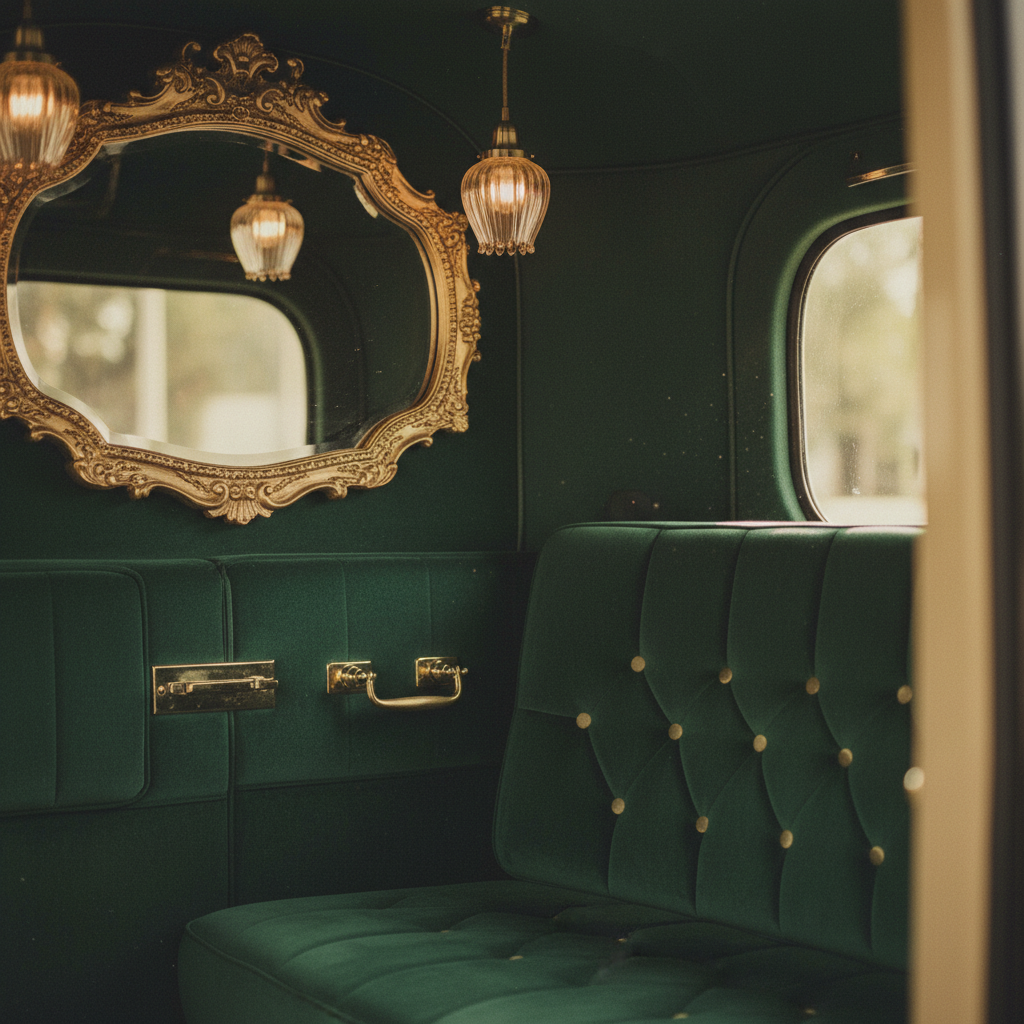
Integrating these elements doesn’t mean your space has to be devoid of personality. Instead, use them as a backdrop to highlight personal touches, such as artwork, textiles, and decor that reflect your unique style.
Personalizing with Purpose
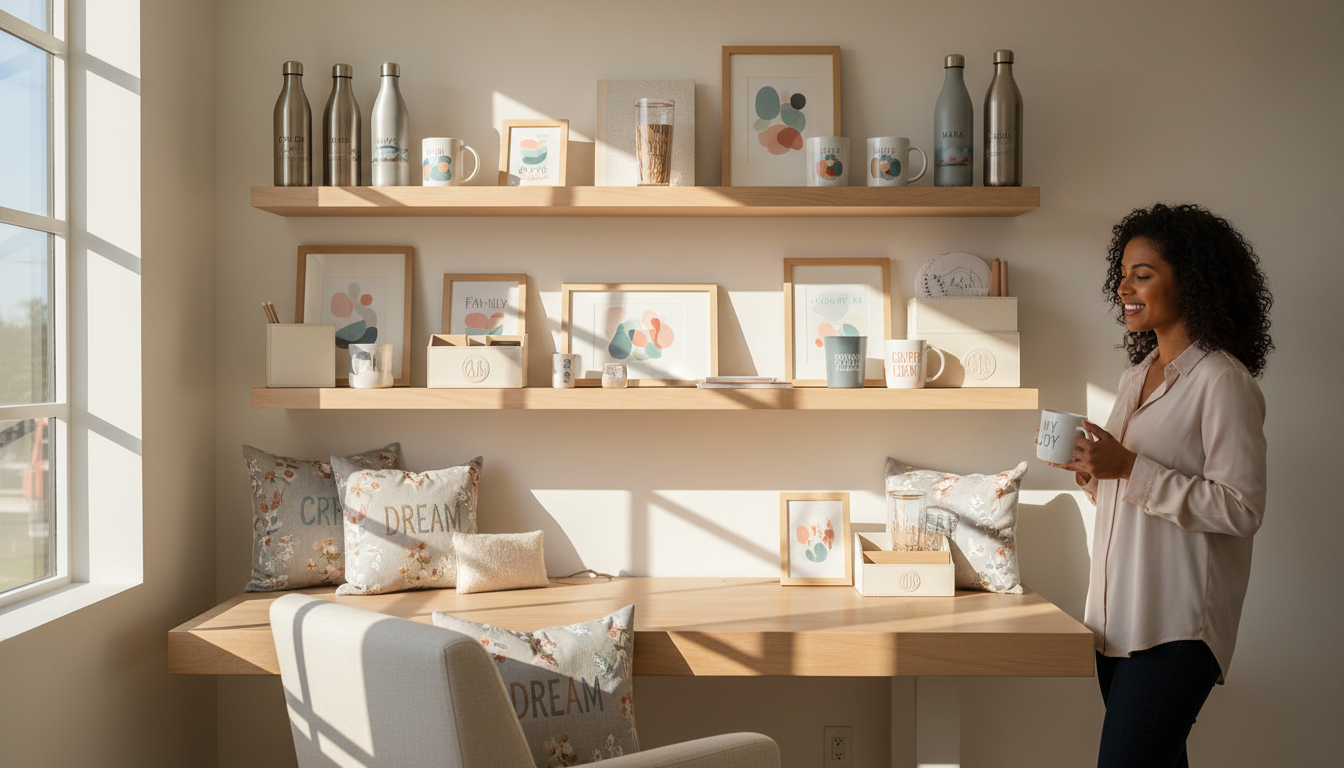
While foundational design principles provide structure, personalization adds warmth and character. Thoughtfully curated art, cherished books, and meaningful objects infuse spaces with individuality. The key is to select items that resonate with you, avoiding unnecessary clutter.
Consider rotating decorative pieces seasonally to keep the environment fresh without compromising the overall aesthetic. This approach ensures that your space remains dynamic and engaging.
Conclusion: The Art of Timelessness
Creating timeless spaces through intentional design is about finding the perfect balance between function, quality, and personal expression. By focusing on these core principles, you can craft environments that not only look beautiful but also serve as a lasting sanctuary for years to come.
Embrace the art of intentional design and transform your surroundings into spaces that are enduring, elegant, and uniquely yours.