
Creating Sustainable Spaces: A Guide to Earth-Inspired Design


Our living and working environments significantly impact our well-being and the planet's health. As awareness of environmental issues grows, more people are turning to earth-inspired design to create sustainable spaces. This approach not only minimizes environmental impact but also nurtures a sense of harmony with nature.

Understanding Earth-Inspired Design
Earth-inspired design is about integrating nature and sustainability into our spaces. This design philosophy emphasizes the use of natural materials, energy efficiency, and a minimal environmental footprint. By embracing this approach, we can create spaces that are both beautiful and sustainable.
The Importance of Natural Materials
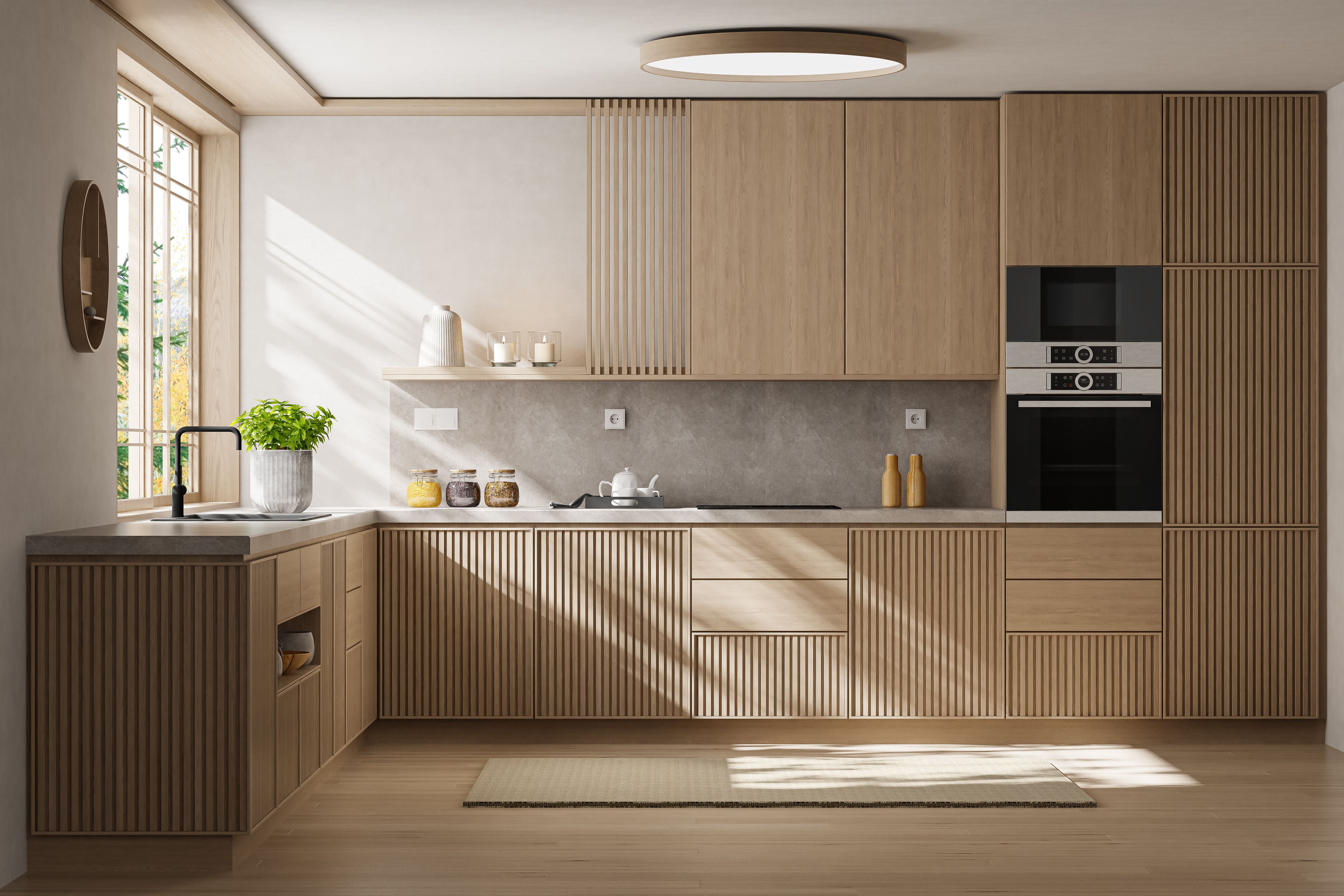
Using natural materials is a cornerstone of earth-inspired design. Materials such as wood, stone, and clay are not only sustainable but also bring a sense of warmth and authenticity to a space. These materials can be responsibly sourced and often have a lower environmental impact compared to synthetic alternatives.
Energy Efficiency in Design
Energy efficiency is another critical aspect of sustainable design. By incorporating energy-efficient appliances, lighting, and insulation, you can significantly reduce a building's carbon footprint. Consider using LED lighting, programmable thermostats, and energy-efficient windows to enhance sustainability.
Designing for Natural Light
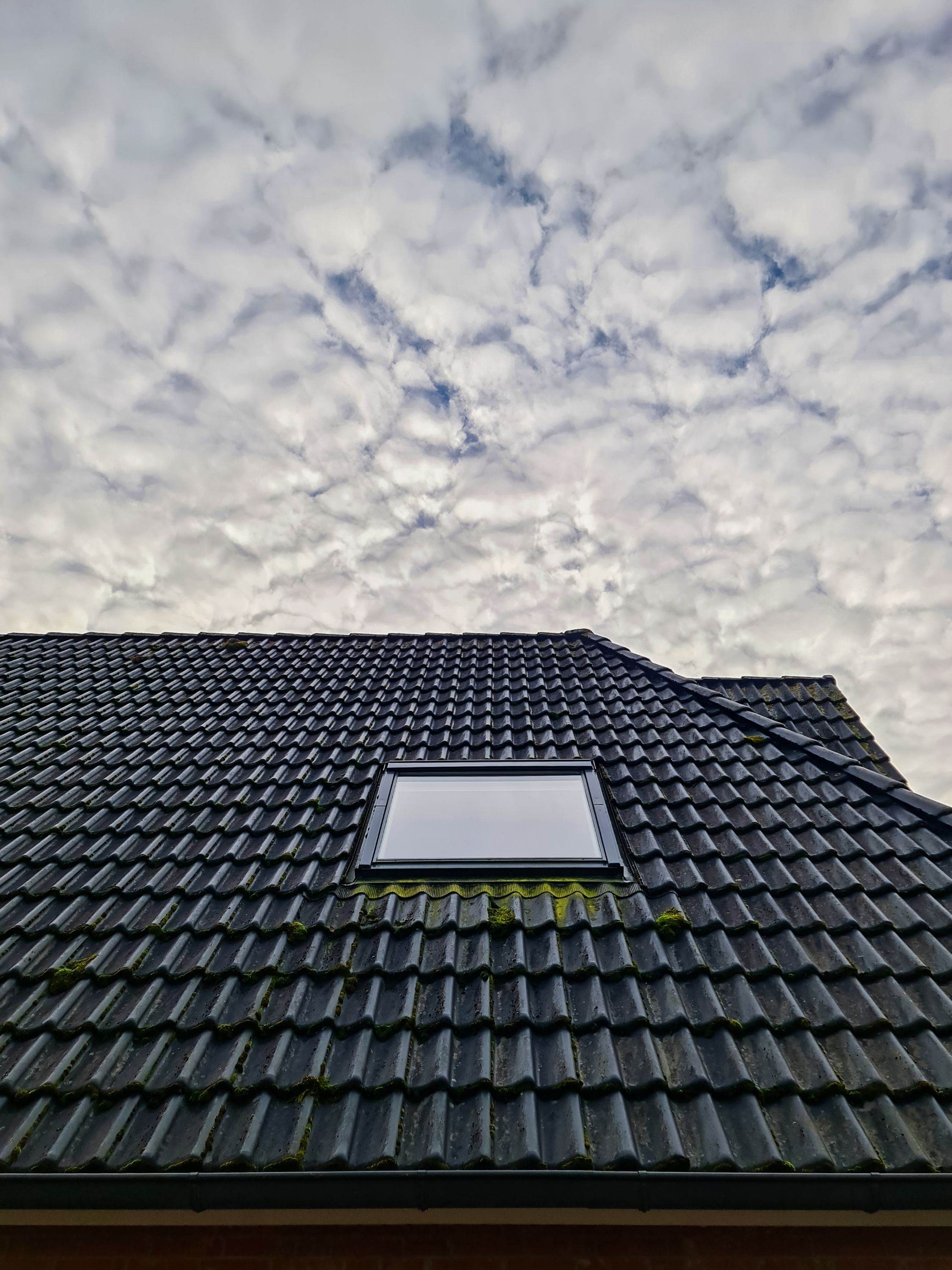
Maximizing natural light reduces the need for artificial lighting and saves energy. Strategically placing windows, using skylights, and choosing light-colored surfaces can all help in capturing and reflecting daylight, creating a bright and inviting space.
Incorporating Greenery
Adding plants to your space is a simple yet effective way to enhance sustainability. Plants improve air quality, add aesthetic value, and create a calming atmosphere. Consider creating a green wall or using potted plants to bring the outdoors in.
Water Conservation Techniques
Implementing water-saving techniques is essential for sustainable spaces. Low-flow faucets, rainwater harvesting systems, and drought-resistant landscaping can all contribute to water conservation efforts. These practices not only save resources but also reduce utility costs.

The Role of Technology
Smart technology can play a significant role in creating sustainable spaces. From smart thermostats to automated lighting systems, technology can optimize energy usage and improve efficiency. These innovations allow for a more responsive and adaptive environment.
Conclusion
Creating sustainable spaces through earth-inspired design is not just a trend but a necessary step towards a healthier planet. By incorporating natural materials, maximizing energy efficiency, and embracing greenery, we can create environments that respect and celebrate the earth.