
Creating Spaces That Celebrate Heritage: Insights from SingleOak


Understanding the Importance of Heritage Spaces
In our fast-paced, modern world, there is an increasing desire to reconnect with our roots and preserve cultural heritage. Heritage spaces hold significant value, serving as a bridge between the past and present. They offer a tangible connection to our history, traditions, and shared memories. SingleOak, a leader in architectural design, recognizes the importance of creating spaces that celebrate this heritage.
By focusing on architectural elements and traditional craftsmanship, SingleOak aims to preserve the essence of historical sites while adapting them for contemporary use. This approach not only honors the past but also ensures that these spaces remain relevant and functional for future generations.
Incorporating Traditional Craftsmanship
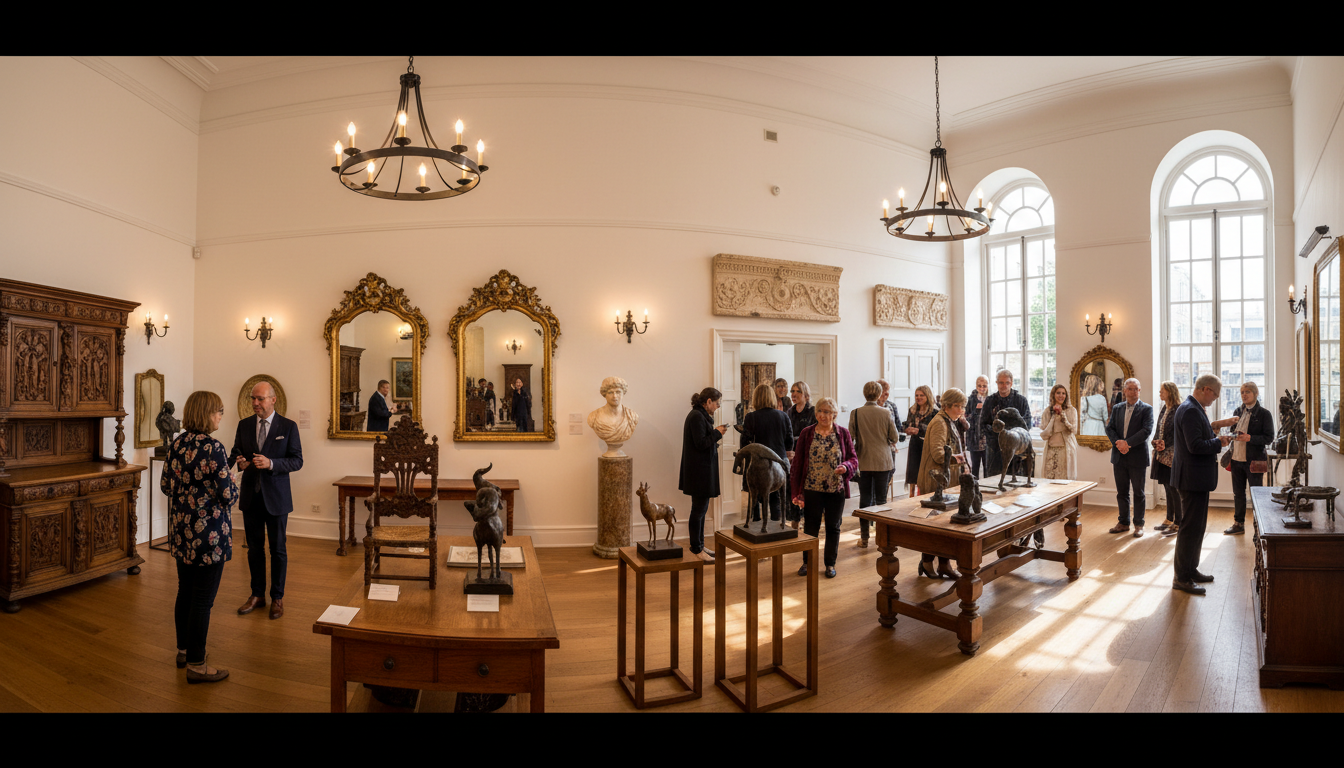
One of the key insights from SingleOak is the incorporation of traditional craftsmanship into modern designs. This involves using locally sourced materials and techniques that have been passed down through generations. By doing so, SingleOak supports local artisans and ensures that the craftsmanship remains alive and appreciated.
For example, using hand-carved woodwork or traditional masonry techniques can add depth and authenticity to a space. These elements not only enhance the aesthetic appeal but also provide a unique story that resonates with visitors and inhabitants alike.
Embracing Cultural Narratives
Spaces that celebrate heritage are more than just structures; they are storytellers. SingleOak emphasizes the importance of embedding cultural narratives into the design. This can be achieved through the integration of historical artifacts, murals, or even interactive exhibits that educate and engage.
By weaving stories into the fabric of a building, it becomes a living museum that educates and inspires. This approach ensures that the cultural significance of a space is not lost and continues to be shared with the community.
Balancing Modernity and Tradition
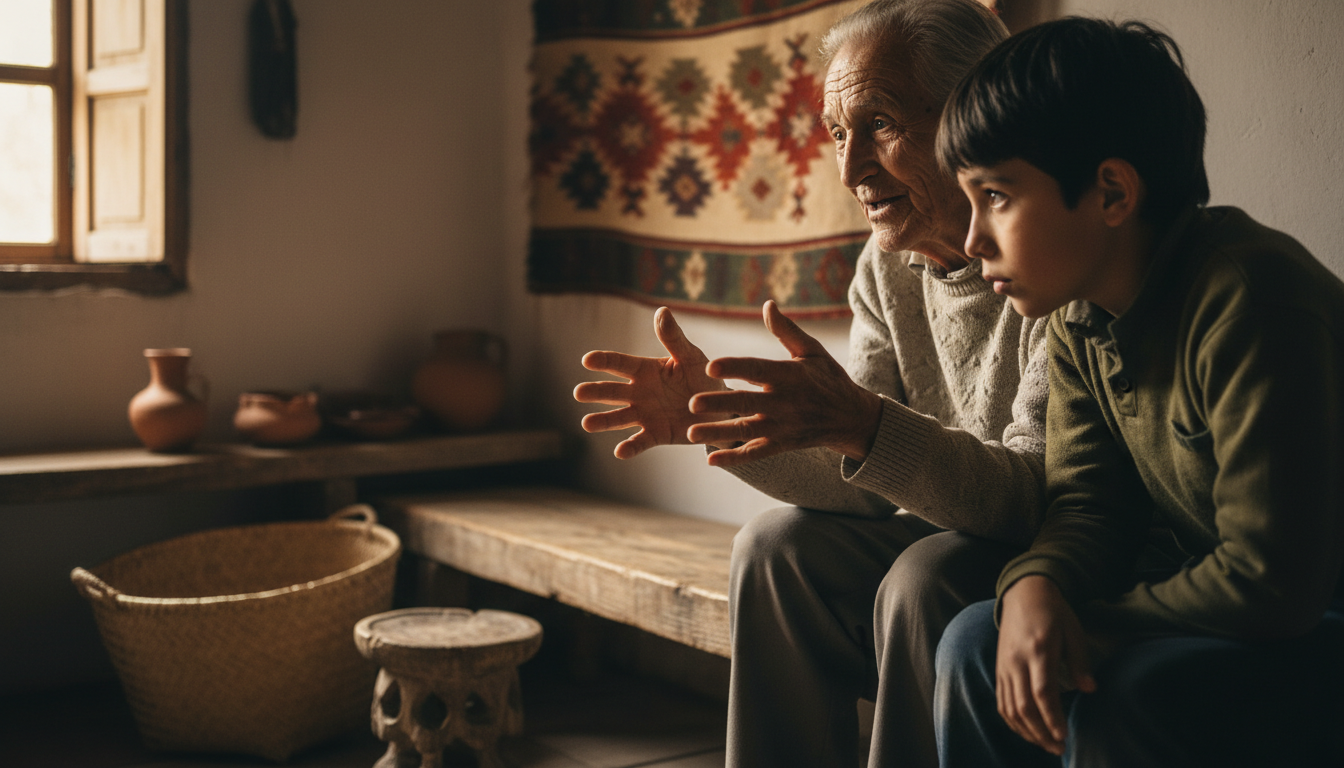
Creating heritage spaces also involves striking a balance between modernity and tradition. While it is essential to preserve historical elements, it is equally important to adapt these spaces to meet current needs. SingleOak achieves this by incorporating modern amenities and technologies without compromising the historical integrity.
For instance, integrating energy-efficient systems or smart technology can make heritage spaces more sustainable and user-friendly. This balance ensures that these spaces remain functional and appealing to a broad audience.
Community Involvement and Engagement
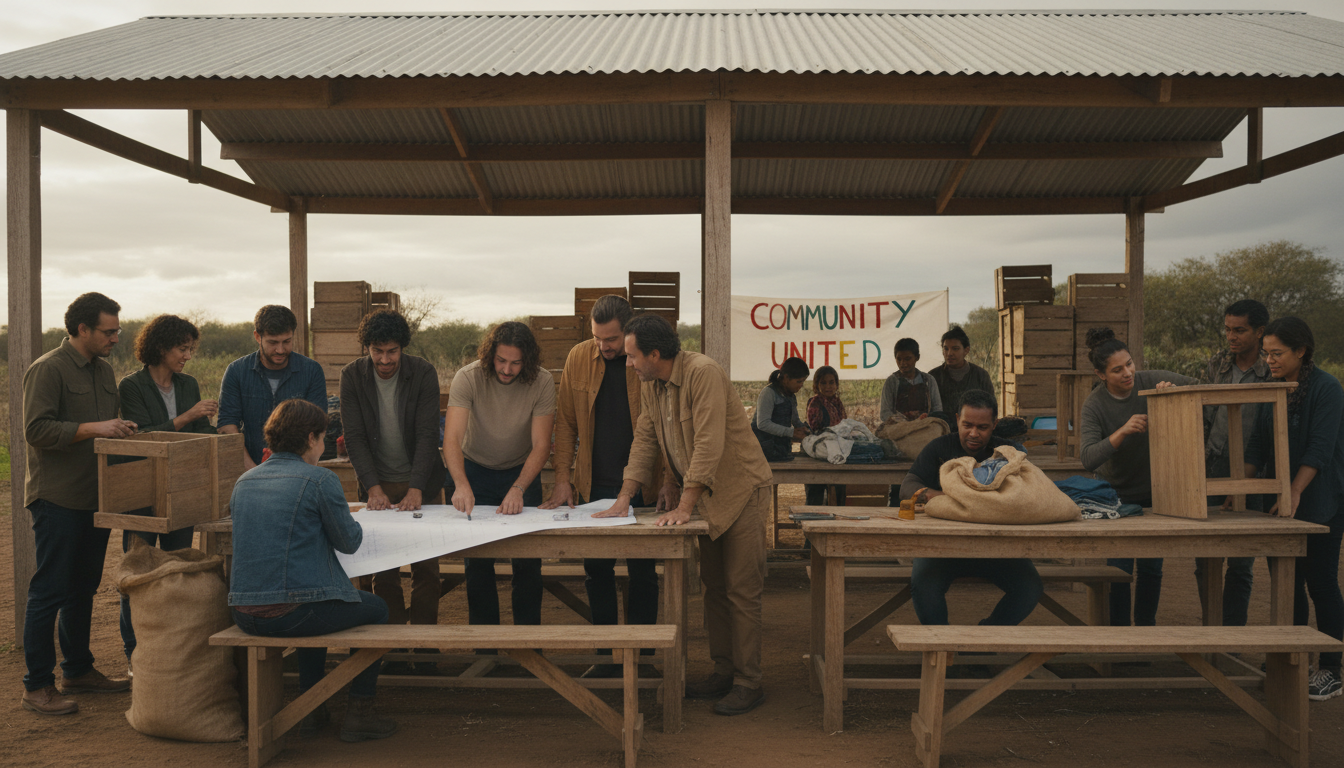
SingleOak believes that community involvement is crucial in the process of creating heritage spaces. Engaging with local communities ensures that the spaces reflect the values and aspirations of those who use them. This collaboration fosters a sense of ownership and pride, making the preservation efforts more sustainable.
The Future of Heritage Spaces
As we look to the future, the role of heritage spaces will continue to evolve. With the insights from SingleOak, these spaces can become dynamic hubs that celebrate culture, foster community, and inspire innovation. By respecting the past and embracing the future, heritage spaces can provide a rich tapestry of experiences for all who visit.
In conclusion, creating spaces that celebrate heritage requires a thoughtful approach that honors tradition while accommodating modern needs. With expertise and dedication, SingleOak is paving the way for a future where heritage spaces are cherished and preserved for generations to come.