
Creating a Sense of Place: The Role of Heritage in Real Estate Development


Understanding the Role of Heritage in Real Estate Development
In the realm of real estate development, creating a sense of place is key to establishing communities that are not only functional but also vibrant and meaningful. One of the most effective ways to achieve this is by incorporating elements of heritage into the development process. By honoring and preserving the history of a location, developers can foster a unique identity that resonates with residents and visitors alike.
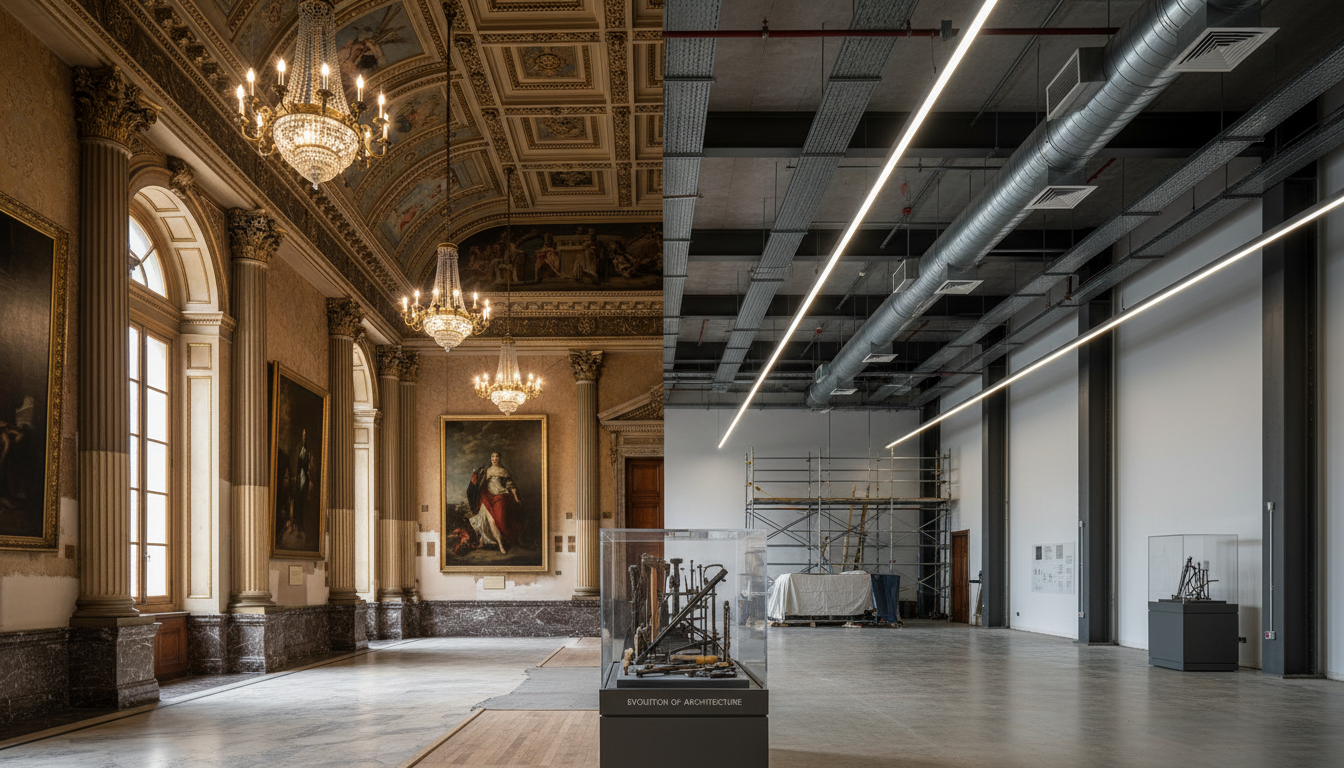
Heritage in real estate is not just about preserving old buildings; it's about integrating cultural, historical, and architectural elements into new developments. This approach can transform a standard project into a living, breathing part of the community's story.
The Benefits of Integrating Heritage
Integrating heritage into real estate projects offers numerous benefits. Firstly, it adds value by distinguishing a development from others in the market. A site with historical significance often attracts buyers and tenants who appreciate the unique qualities it brings. Secondly, it enhances community pride and engagement, as residents feel a deeper connection to their surroundings.
Moreover, heritage-focused developments can lead to increased tourism and economic growth. Visitors are drawn to areas with rich histories and well-preserved landmarks, boosting local businesses and creating jobs.

Strategies for Incorporating Heritage
There are several strategies developers can use to incorporate heritage into their projects. Here are a few effective approaches:
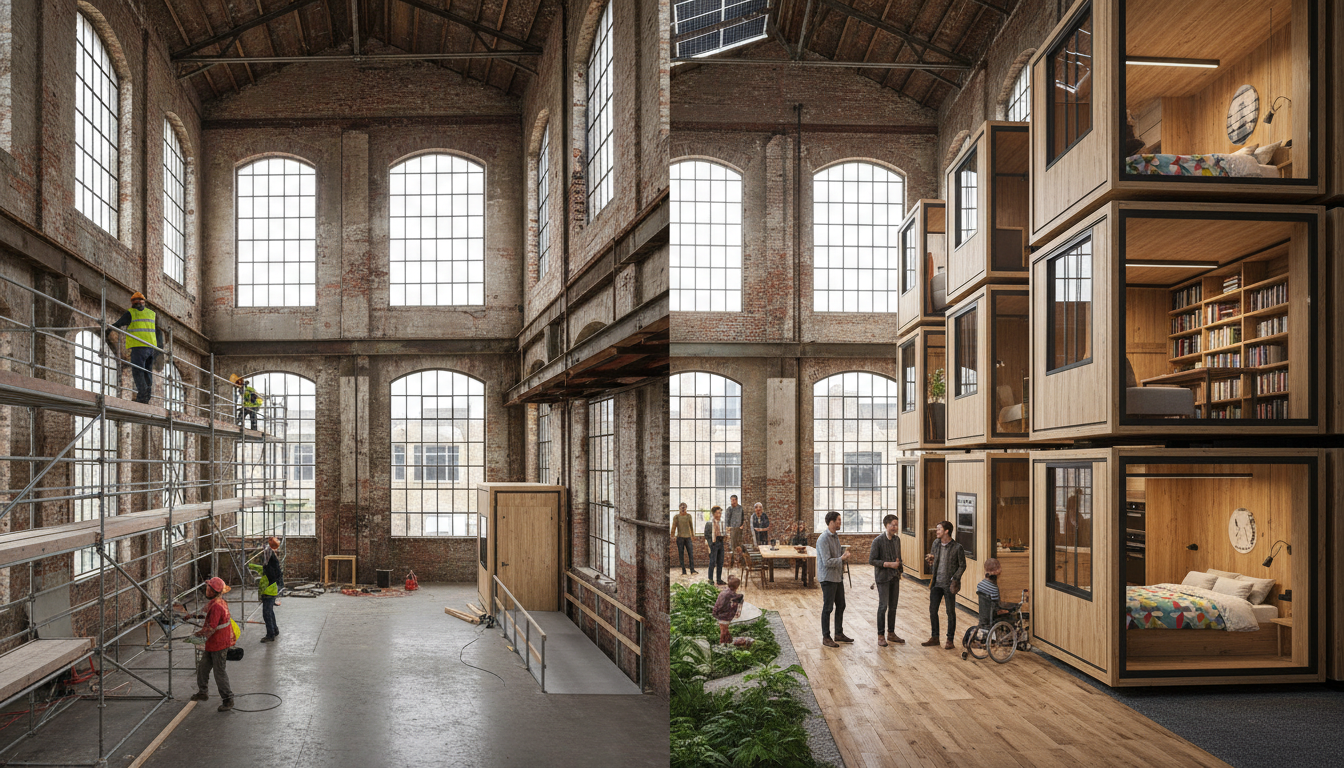
- Adaptive Reuse: Transforming historic buildings for modern purposes while preserving their original character.
- Restoration: Carefully restoring historic structures to their former glory.
- Interpretive Signage: Using informative signs to educate the public about the site's history.
- Community Involvement: Engaging with local historians and heritage groups to ensure authentic representation.
Challenges and Considerations
While the integration of heritage in real estate development offers many advantages, it also presents challenges. Developers must navigate regulations and preservation laws, which can be complex and time-consuming. Balancing modern needs with historical preservation requires careful planning and collaboration with experts in heritage conservation.
Furthermore, projects must be financially viable. Developers need to ensure that the costs associated with preserving heritage elements do not outweigh the potential returns. This often involves innovative design solutions and strategic planning.
Successful Examples of Heritage Integration
There are numerous examples worldwide where developers have successfully integrated heritage into real estate projects. From restoring old warehouses into trendy lofts to transforming historic districts into bustling commercial hubs, these projects demonstrate the potential of heritage-focused development.
One notable case is the transformation of a historic industrial area into a vibrant mixed-use community, where original architectural elements were preserved and celebrated, attracting both businesses and residents.

Future of Heritage in Real Estate
As urban areas continue to expand, the role of heritage in real estate development will likely grow in importance. The demand for unique, meaningful spaces is increasing, and developers who embrace heritage as a central element of their projects are well-positioned for success.
Ultimately, creating a sense of place through heritage not only adds value to real estate developments but also enriches the lives of those who inhabit these spaces, fostering a deeper connection to history and community.