
Crafting with Nature: A Guide to Incorporating Organic Textures in Home Design

Bringing the outdoors inside can create a serene and inviting atmosphere in your home. By incorporating organic textures into your interior design, you can achieve a harmonious blend of natural elements and modern living. These textures not only add depth and interest but also promote a sense of well-being.
The use of natural materials such as wood, stone, and woven fibers can transform your space into a cozy retreat. Whether you're renovating a room or simply refreshing your décor, understanding how to use these materials effectively is key to successful design.

Understanding Organic Textures
Organic textures are materials that come from nature and retain their natural appearance and feel. These textures can range from the roughness of stone to the softness of wool. Incorporating these elements into your home can create a tactile experience that enhances the overall aesthetic.
The Role of Wood
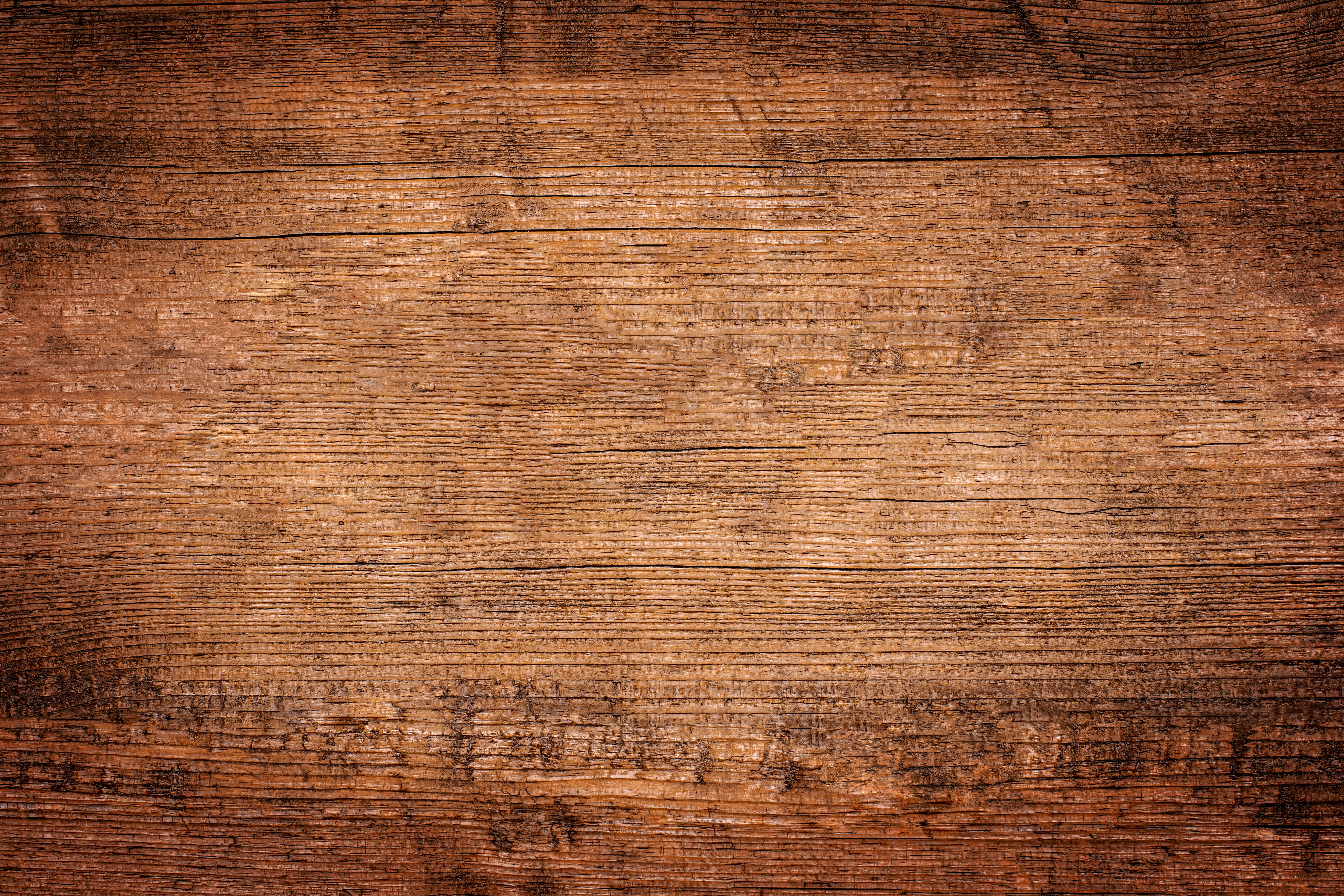
Wood is perhaps the most versatile organic texture and can be used in various forms such as flooring, furniture, and wall accents. Opt for reclaimed wood to add character and history to your space. The natural grains and patterns of wood bring warmth and richness, making any room feel more inviting.
Stone and Its Impact
Stone adds a sense of permanence and strength to your design. From sleek marble countertops to rugged slate flooring, stone can be used in both modern and rustic settings. It’s important to balance its cool tones with other warm textures to avoid a stark environment.
Woven Materials
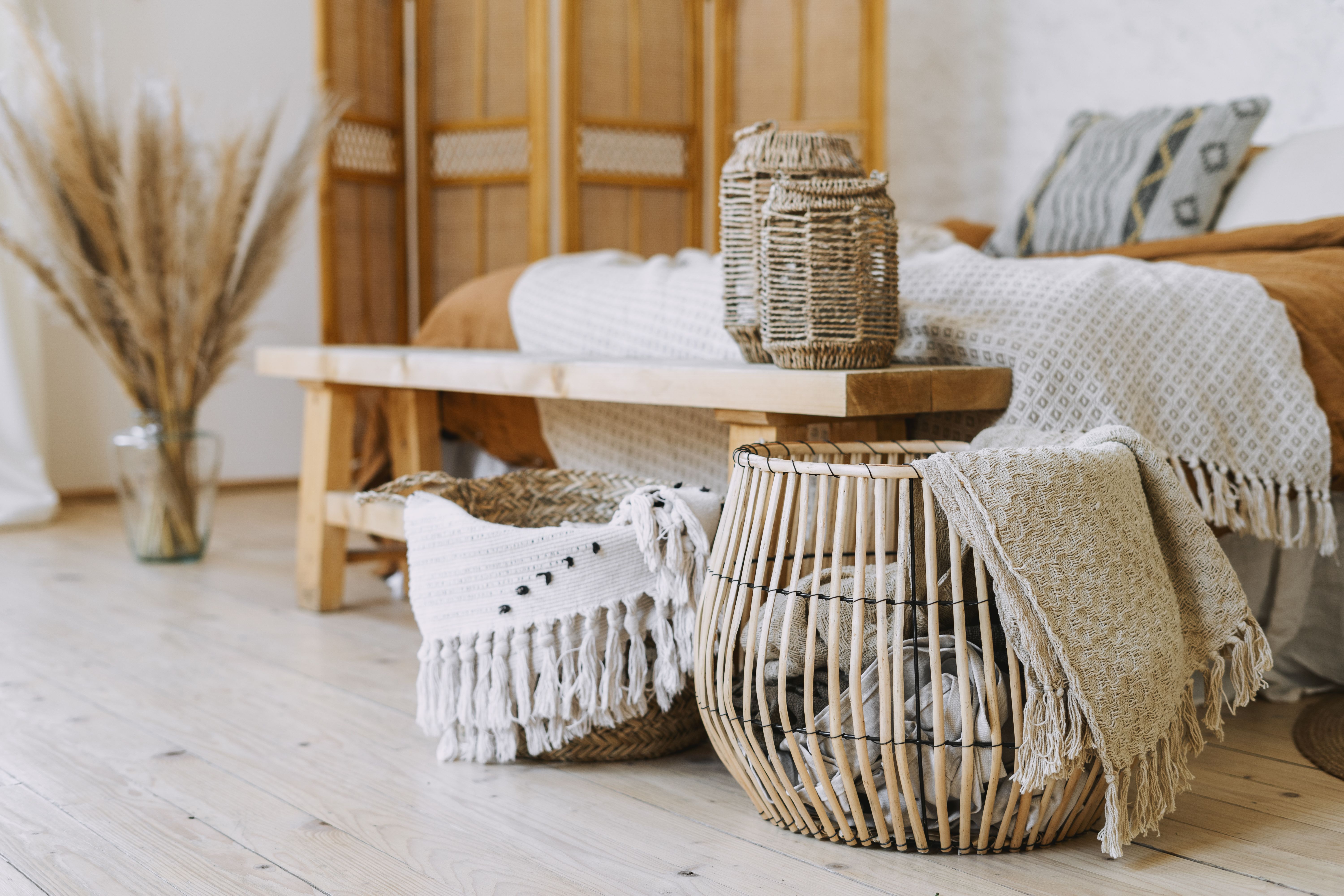
Incorporating woven elements such as rattan, jute, or wicker can introduce a relaxed and casual vibe. These materials work well in furniture and accessories like baskets and rugs, creating a laid-back, yet sophisticated look.
Combining Textures
When integrating organic textures, consider the overall balance. Mixing different textures can create visual interest, but too much variety can overwhelm a space. Aim to combine three to five different textures for a cohesive look.
Accessorizing with Nature
Beyond structural elements, accessories such as plants, pottery, and textiles can enhance the natural feel. Greenery not only adds color but also purifies the air, contributing to a healthier home environment.

Conclusion
Incorporating organic textures into your home design is about more than just aesthetics; it’s about creating a space that feels connected to nature. By thoughtfully selecting and combining materials, you can achieve a harmonious, nurturing environment that promotes peace and relaxation.