Connecting People and Place: The Impact of Curated Environments

The Power of Curated Environments
In today's fast-paced world, the spaces we inhabit play a crucial role in shaping our experiences and emotions. Curated environments are thoughtfully designed spaces that connect people to places, fostering a sense of belonging and enhancing well-being. These environments are more than just aesthetically pleasing; they are strategically crafted to evoke specific feelings and interactions.
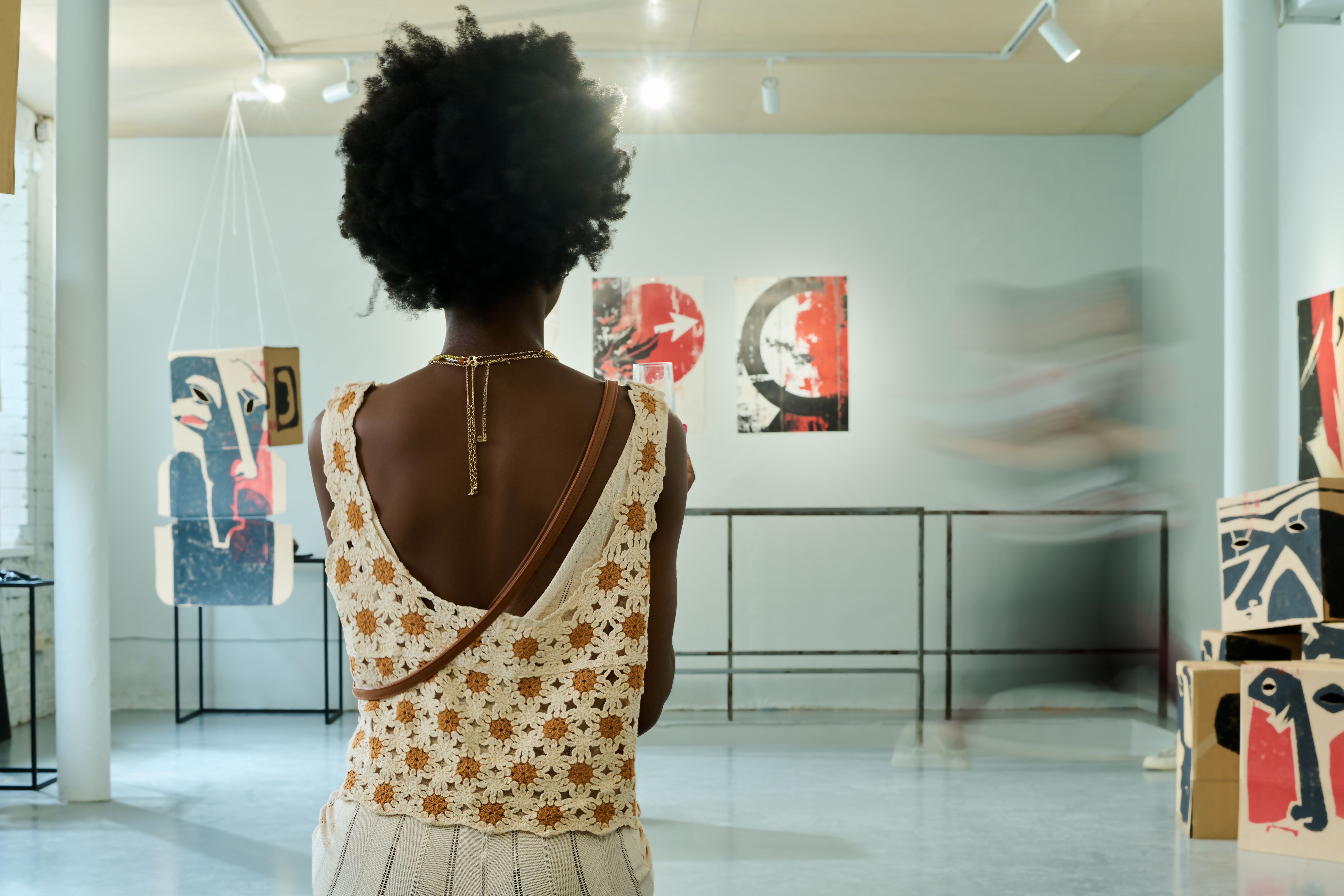
Curated environments range from art galleries to public parks, each serving as a testament to the intricate relationship between design and human experience. By carefully selecting elements such as color, texture, and layout, designers can create spaces that resonate with people on a personal level.
Enhancing Emotional Connections
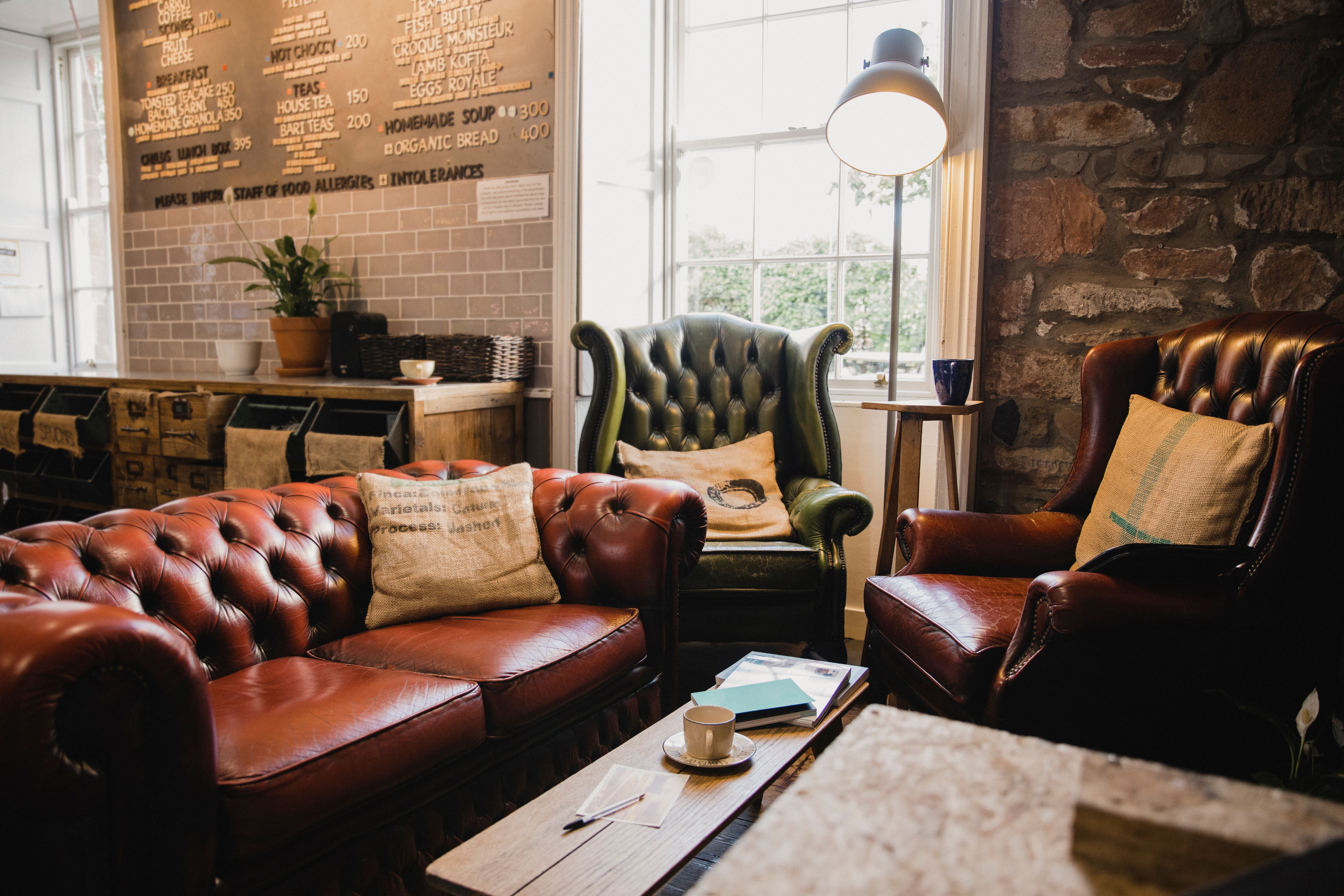
One of the primary goals of curated environments is to enhance emotional connections. These spaces can evoke nostalgia, inspire creativity, or promote relaxation, depending on the desired outcome. For instance, a well-designed café might use warm lighting and comfortable seating to create a cozy atmosphere that encourages conversation and connection.
Research suggests that environments significantly impact our mood and behavior. A thoughtfully curated space can reduce stress, increase productivity, and improve overall mental health. These effects are particularly evident in workspaces, where design elements can influence focus and collaboration.
The Role of Technology
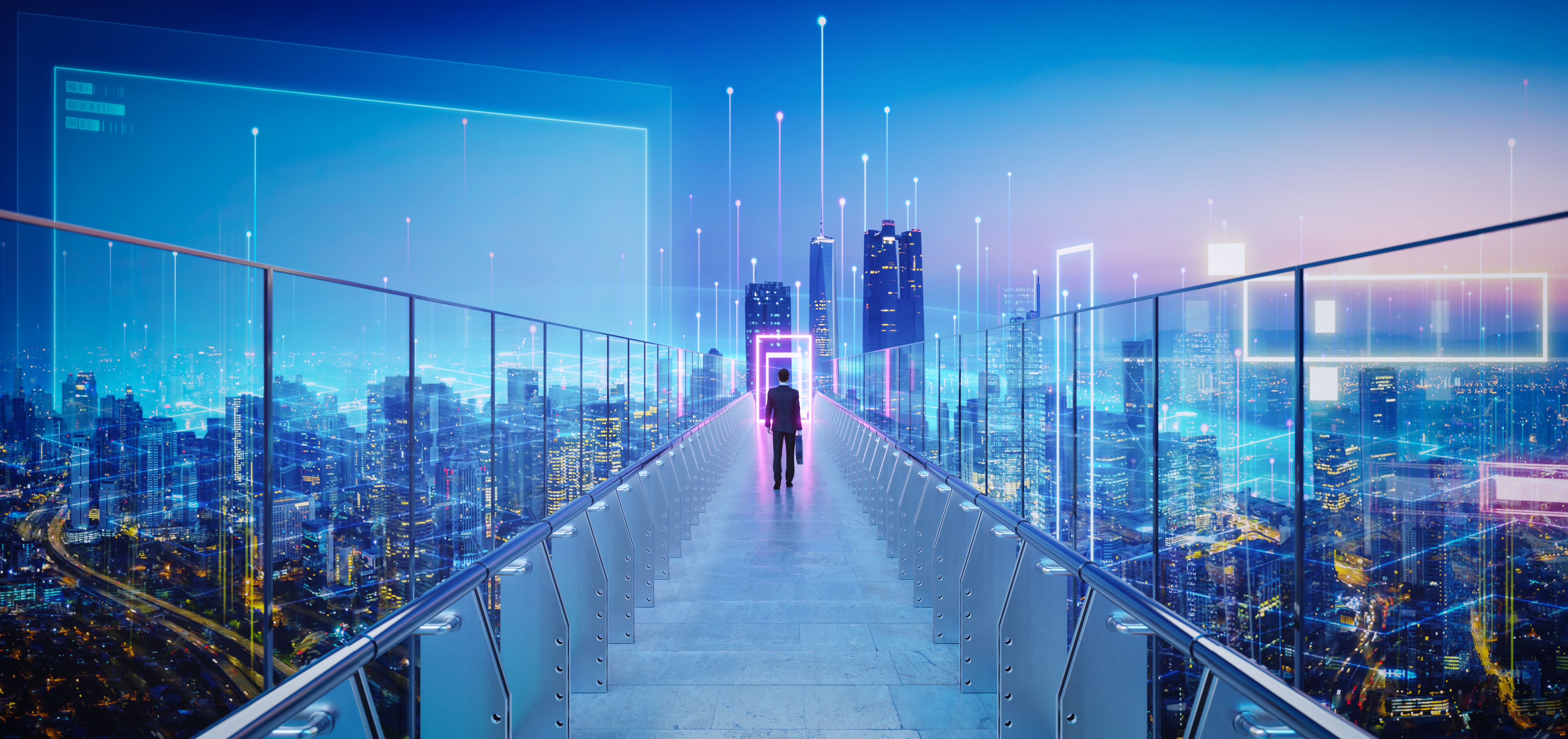
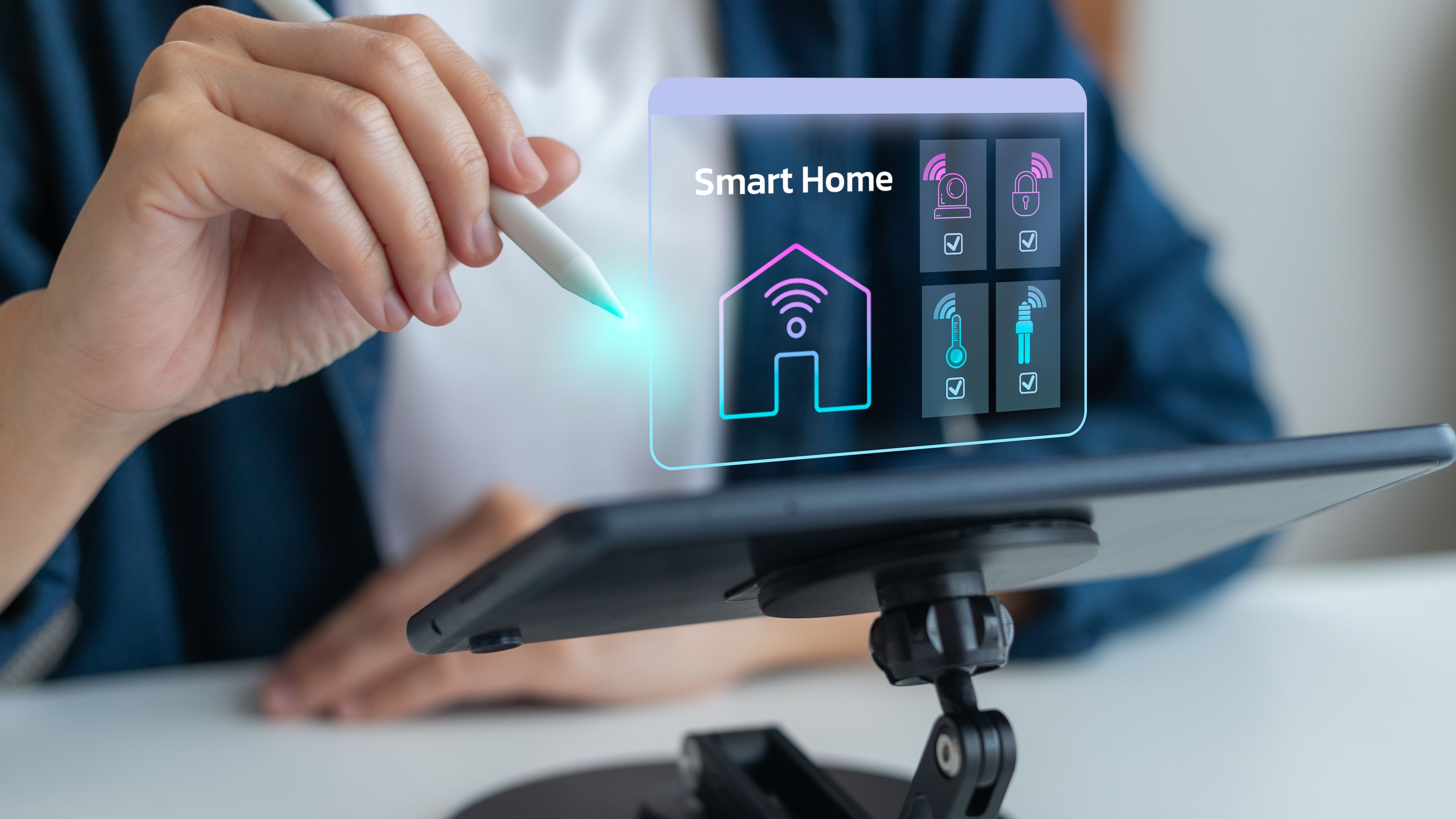
Technology plays a pivotal role in crafting curated environments. Smart lighting systems, interactive displays, and soundscapes are just a few examples of how technology can enhance user experience. By integrating innovative solutions, designers can create dynamic spaces that adapt to the needs of their occupants.
Moreover, technology allows for personalized experiences. Sensors and data analytics provide insights into how people interact with a space, enabling designers to make informed adjustments. This adaptability ensures that environments remain relevant and engaging over time.
Connecting Communities
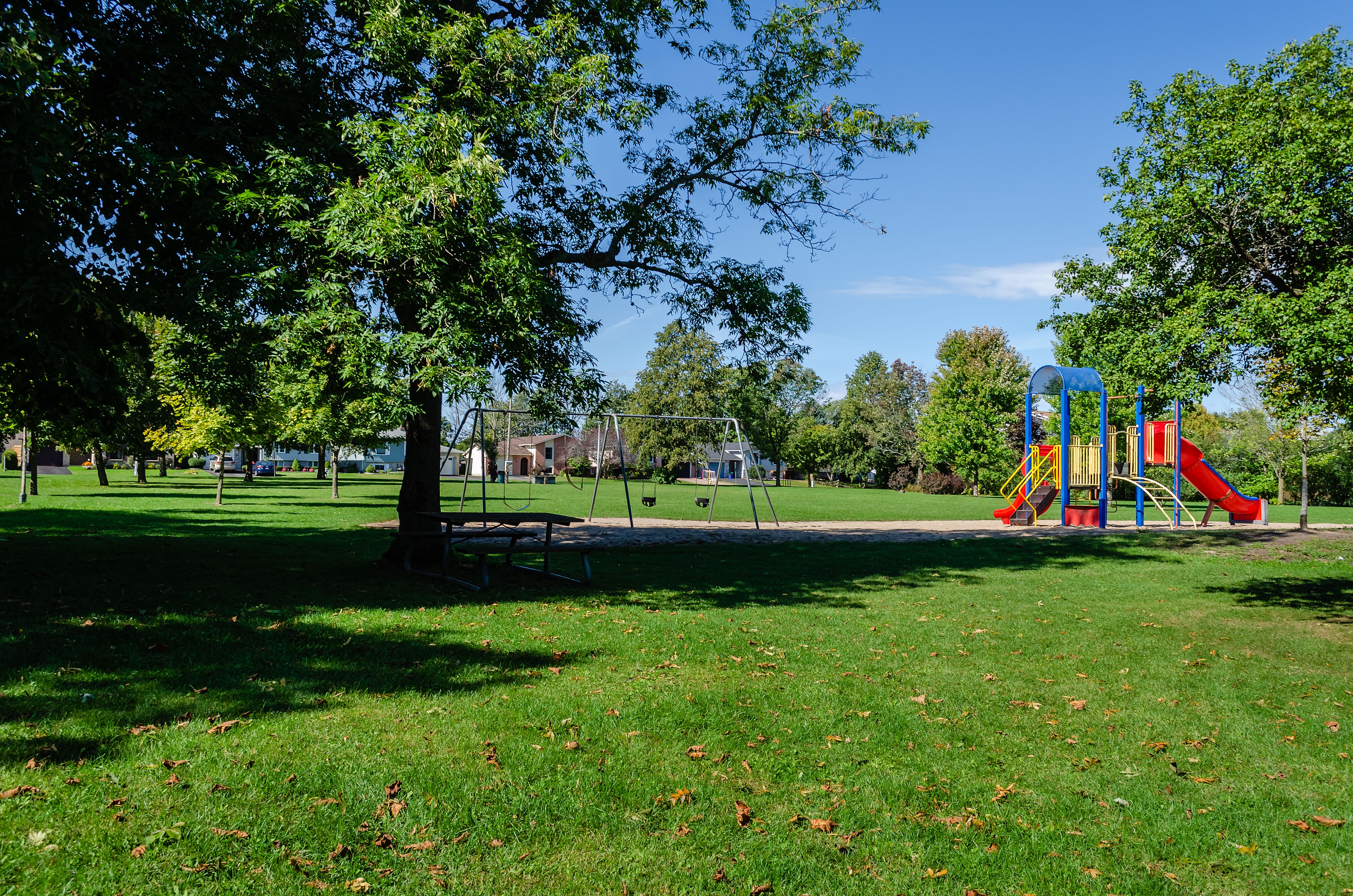
Curated environments are not only about individual experiences; they also foster community connections. Public spaces, such as parks and plazas, are designed to encourage social interaction and community engagement. These environments bring diverse groups of people together, promoting inclusivity and cultural exchange.
When people feel connected to a place, they are more likely to take pride in their community and participate in its development. This sense of ownership can lead to more sustainable and vibrant communities, where people actively contribute to the well-being of their surroundings.
Designing for Sustainability
Sustainability is a key consideration in the creation of curated environments. Designers are increasingly focusing on eco-friendly materials and practices to minimize environmental impact. Green spaces, energy-efficient systems, and sustainable architecture are integral components of modern design.
By prioritizing sustainability, curated environments not only benefit the planet but also enhance the quality of life for their inhabitants. These spaces encourage environmentally responsible behavior and serve as models for future development.
The Future of Curated Spaces
As we look to the future, the importance of curated environments will continue to grow. Urbanization and technological advancements present new opportunities for designers to create spaces that are both functional and inspiring. The emphasis on connecting people to place will remain at the forefront of design innovation.
Ultimately, curated environments are about more than just aesthetics. They are about creating meaningful experiences that connect us to the world around us. By understanding the impact of these spaces, we can better appreciate the role they play in our lives and communities.