
Comparing Traditional and Digital Asset Management Approaches


Understanding Asset Management
Asset management is a crucial component for businesses of all sizes, serving as the backbone for organizing, storing, and retrieving valuable assets. Traditionally, asset management involved physical storage solutions, but with the rise of technology, digital approaches have become more prominent. This shift presents a fascinating landscape of options for businesses seeking to optimize their asset management strategies.

Traditional Asset Management
Traditional asset management relies heavily on physical storage and manual processes. Physical files, cabinets, and paper-based records are common, often requiring significant space and resources. This method can be labor-intensive and prone to errors, as it relies on human intervention for categorization and retrieval. Despite these drawbacks, some businesses still prefer this approach due to its tangible nature.
One of the primary benefits of traditional asset management is the security of physical records. Companies that handle sensitive information may find comfort in knowing their data is stored offline, reducing the risk of cyber threats. However, the scalability of this method is limited, as expanding storage space can be costly and inefficient.
Digital Asset Management
In contrast, digital asset management (DAM) leverages technology to streamline the storage and retrieval of assets. With DAM systems, businesses can store assets in a centralized digital repository, making them easily accessible from anywhere with an internet connection. This approach enhances efficiency by automating many of the manual tasks associated with traditional methods.
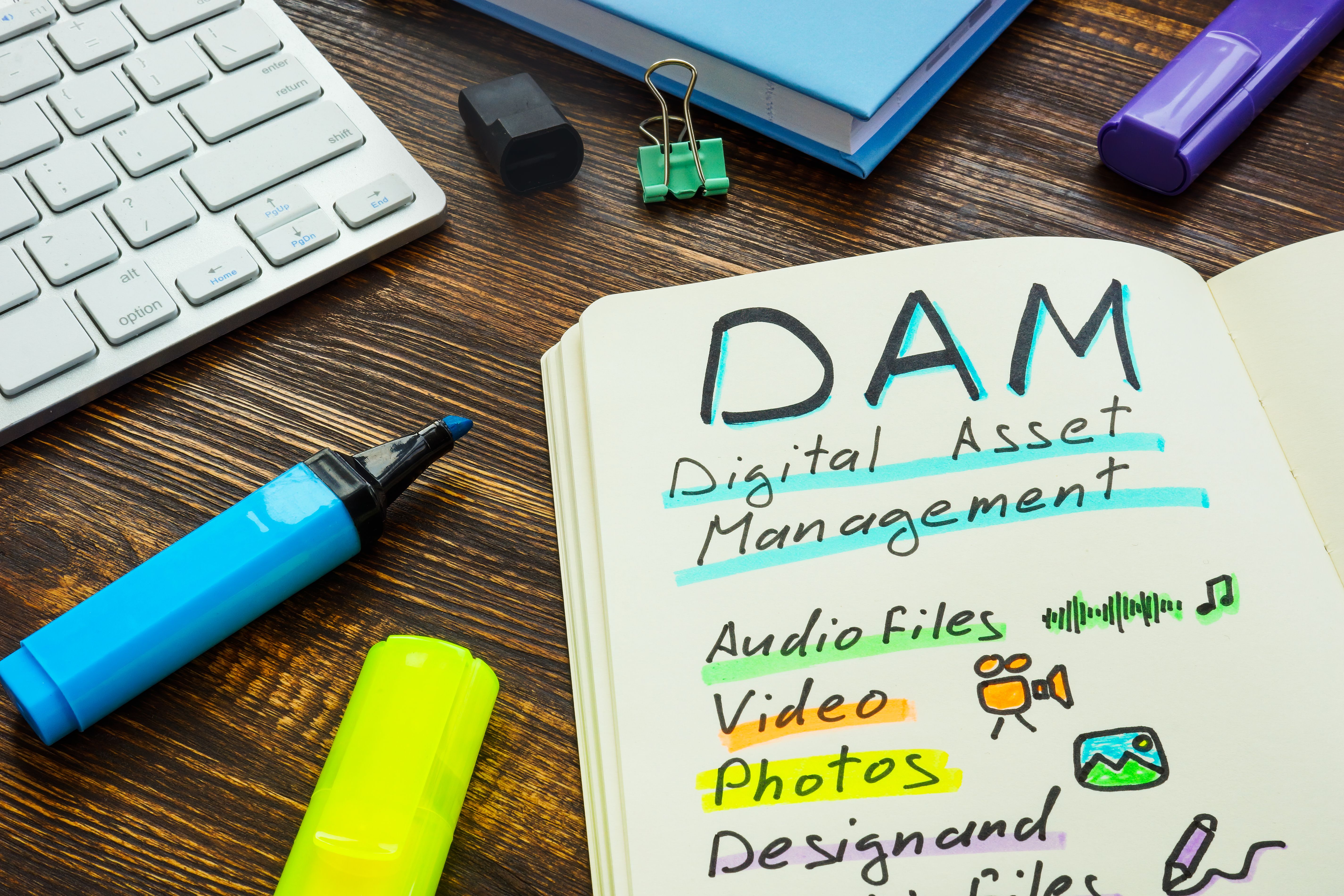
Digital systems offer robust search functionalities, allowing users to quickly locate assets using keywords, tags, or metadata. Additionally, digital asset management often includes version control, ensuring that the most recent versions of assets are always available. This feature is particularly useful in fast-paced industries where updates occur frequently.
Comparing the Two Approaches
When comparing traditional and digital asset management, several factors come into play. **Cost** is a significant consideration. While digital systems may require an initial investment in software and training, they often result in long-term savings by reducing manual labor and physical storage costs. On the other hand, traditional methods might incur ongoing expenses related to physical storage and maintenance.
**Accessibility** is another key factor. Digital systems provide unmatched accessibility, allowing teams to collaborate remotely and access assets on demand. Traditional methods, however, limit access to those physically present, which can hinder collaboration and slow down processes.

Making the Transition
For businesses considering a switch from traditional to digital asset management, the transition process requires careful planning. It involves evaluating current needs, selecting the right digital tools, and training staff to use new systems effectively. Many businesses find it beneficial to gradually integrate digital solutions alongside their existing methods, ensuring a smooth transition.
Ultimately, the choice between traditional and digital asset management depends on the specific needs and goals of a business. By understanding the strengths and limitations of each approach, companies can make informed decisions that align with their operational strategies and future growth.