
Blending Tradition and Innovation: The Art of Heritage-Inspired Design


Heritage-inspired design is an enchanting blend of the past and the present, where traditional elements meet innovative ideas. This fusion creates spaces that are not only aesthetically pleasing but also rich in cultural significance. By integrating historical motifs with contemporary techniques, designers are crafting environments that honor tradition while embracing modernity.
The Allure of Heritage
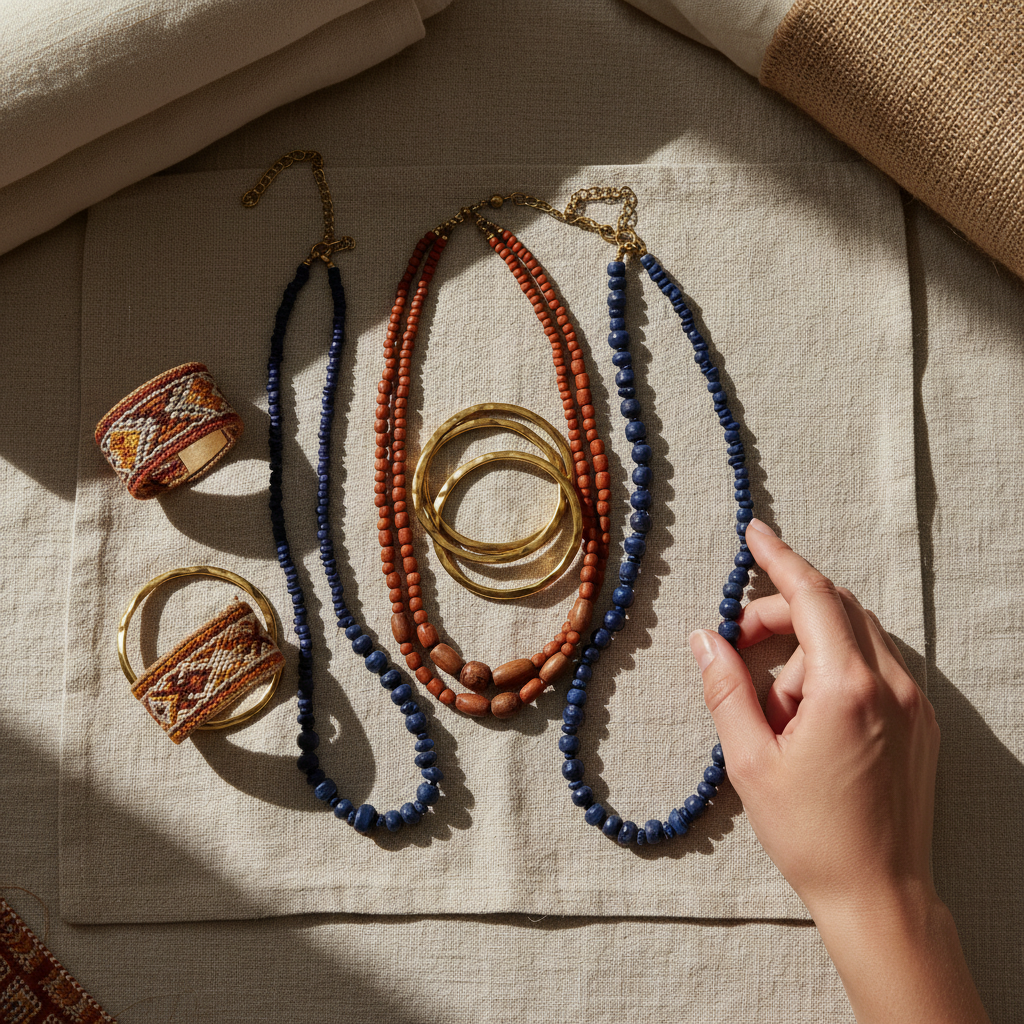
Tradition holds a unique charm that resonates with people across generations. Heritage-inspired design taps into this allure by incorporating elements from various cultures and historical periods. Whether it's the intricate patterns of Moroccan tiles or the elegant simplicity of Japanese minimalism, these designs bring a sense of nostalgia and authenticity.
Incorporating traditional features can transform a space, providing depth and character. From vintage furniture to classic architectural details, these elements tell stories of the past, enriching the present with a sense of continuity and belonging.
Innovation Breathing New Life
While tradition lays the foundation, innovation breathes new life into heritage-inspired design. Modern technologies and materials allow designers to reinterpret classic motifs in exciting ways. For instance, digital printing techniques can replicate historical patterns on contemporary materials, offering durability without sacrificing aesthetic appeal.
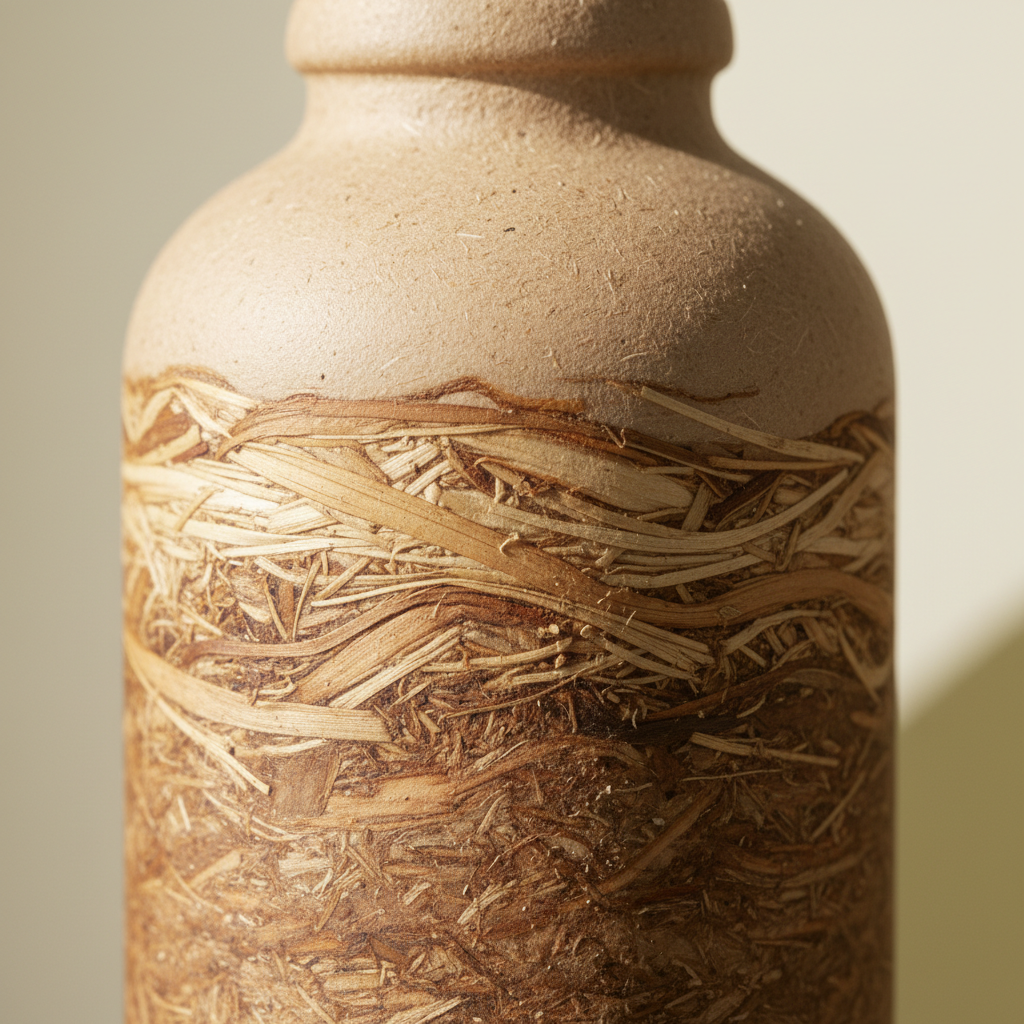
Furthermore, sustainable practices are becoming an integral part of this design approach. By using eco-friendly materials and energy-efficient solutions, designers ensure that the beauty of the past does not come at the expense of the future.
Creating a Harmonious Balance
Achieving a balance between tradition and innovation requires a keen eye for detail and a deep understanding of both elements. Successful heritage-inspired design often involves:
- Respect for cultural significance: Ensuring that traditional elements are used respectfully and appropriately.
- Adaptation to modern needs: Modifying traditional designs to fit contemporary lifestyles and functionalities.
- Integration of technology: Using modern tools to enhance, rather than overshadow, historical elements.

Practical Applications
Heritage-inspired design can be applied to various aspects of architecture and interior design. In residential spaces, it might involve blending vintage furniture with modern decor, while in commercial settings, it could mean incorporating historical facades with cutting-edge technology. The possibilities are as diverse as the cultures and eras they draw inspiration from.
Ultimately, this approach creates spaces that are not only visually stunning but also emotionally resonant, offering a unique and personalized environment that speaks to both the heart and the mind.
The Future of Heritage-Inspired Design
As global awareness of cultural preservation grows, the demand for heritage-inspired design is likely to increase. This trend reflects a broader societal desire to remain connected to our roots while embracing the innovations of the future. By celebrating both the old and the new, heritage-inspired design offers a pathway to creating meaningful and enduring spaces.
In conclusion, blending tradition and innovation in design is an art form that requires creativity, respect, and forward-thinking. It is a testament to the timeless appeal and adaptability of cultural heritage, offering endless opportunities for exploration and expression.